Yard Slot Optimization Explained: How Ports Reduce Rehandles and Truck Turn Times




Why is yard slot optimization getting so much attention in port operations?
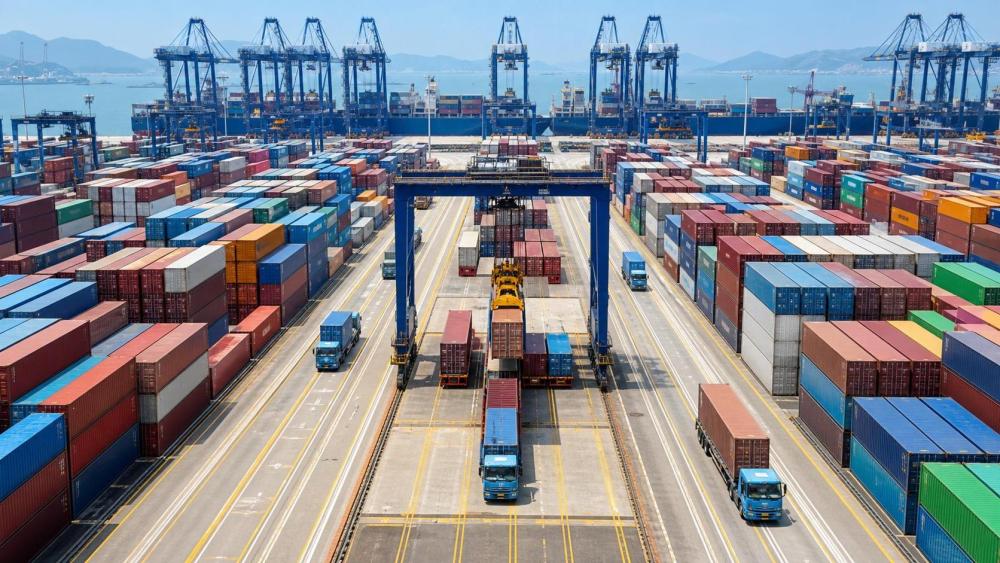
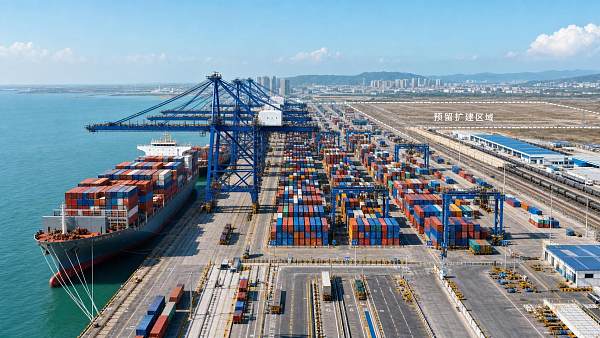
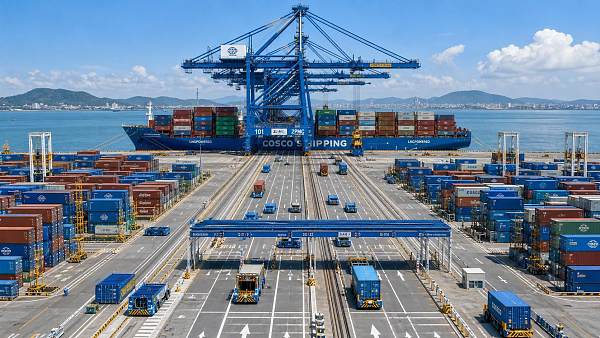
Yard slot optimization matters because the container yard often decides whether a terminal feels fluid or congested.
When slots are assigned poorly, containers get buried, trucks wait longer, and equipment performs extra moves that add no value.
That is why yard slot optimization is not just a planning exercise. It is a direct lever for throughput, labor use, fuel consumption, and service reliability.
In simple terms, it means placing each container in the most suitable position from the start, based on departure timing, transport mode, weight, size, and operational priority.
The goal is to reduce rehandles. A rehandle happens when one container must be moved only to access another.
Those extra lifts consume crane time, block lanes, and raise truck turn times at the gate and yard interface.
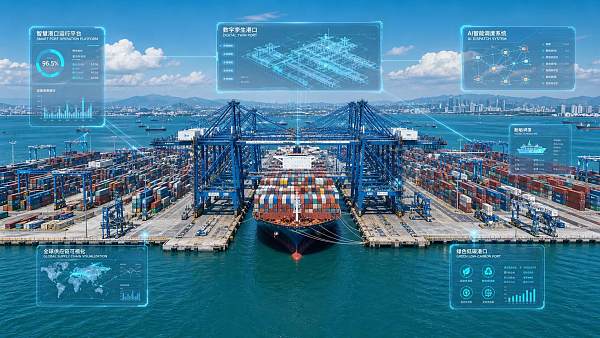
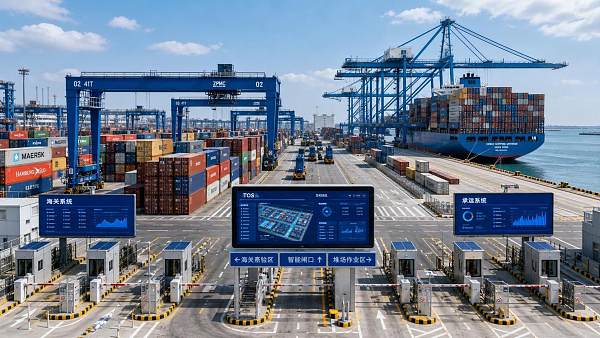
Across smart-port discussions, yard slot optimization is increasingly linked with TOS logic, AI yard planning, AGV dispatch, and digital twin visibility.
That broader view matters because yard performance no longer sits in isolation. It influences berth productivity, intermodal coordination, customs timing, and downstream warehouse flow.
For platforms such as G-WLP, this topic sits naturally beside automation, terminal software, and supply chain resilience because all three meet in the yard.
What does good yard slot optimization actually look like on the ground?
It rarely looks dramatic. More often, it appears as fewer exceptions and smoother handoffs.
A well-optimized yard places import, export, transshipment, empty, hazardous, and reefer units according to real handling logic, not only available space.
The most effective slot plans usually consider several variables at once:
- Expected dwell time and likely pickup window
- Vessel cut-off time or rail departure timing
- Container type, weight class, and stack rules
- Distance from quay, gate, reefer racks, or inspection areas
- Equipment availability, lane congestion, and block occupancy
In practical operations, yard slot optimization works best when it predicts the next move before the box arrives.
That means using booking data, stowage plans, truck appointment patterns, and customs status to guide placement decisions.
For example, a container leaving by truck within hours should not be stacked under lower-priority cargo with uncertain release timing.
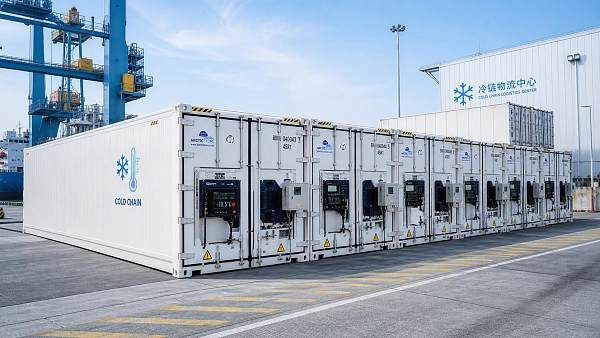
Likewise, reefer units need power access, while dangerous goods require controlled zones and strict segregation.
So the question is not only where space exists. It is whether that space supports the future move sequence.
How exactly does yard slot optimization reduce rehandles and truck turn times?
The connection is operationally direct. Better slotting lowers unnecessary reshuffling, and fewer reshuffles shorten queue exposure.
Truck turn time depends on more than gate processing. Much of the delay appears after entry, when drivers wait for container retrieval or drop-off confirmation.
If the assigned stack is overloaded, mixed with incompatible dwell profiles, or blocked by mis-sequenced units, every visit takes longer.
A useful way to see the impact is through this comparison:
In actual terminals, yard slot optimization often improves the invisible middle section of the move, not just the start or finish.
That invisible section includes equipment dispatch, lane access, stack order, and travel distance between the quay, yard block, and truck zone.
Once these pieces align, truck turn times become more stable, which is often just as valuable as absolute speed.
Which data inputs and technologies make yard slot optimization more reliable?
A basic yard plan can be built with rules. A reliable one needs live data and continuous adjustment.
The Terminal Operating System is usually the core decision engine because it connects vessel plans, inventory status, work instructions, and gate flows.
But static rules alone are often too rigid for busy terminals with volatile arrivals and changing pickup behavior.
That is why smarter yard slot optimization increasingly uses tools such as:
- AI models that predict dwell time and likely retrieval sequence
- Port digital twins that test congestion before changing block strategies
- AGV and terminal tractor data for real travel-time estimation
- Truck appointment systems that smooth gate surges
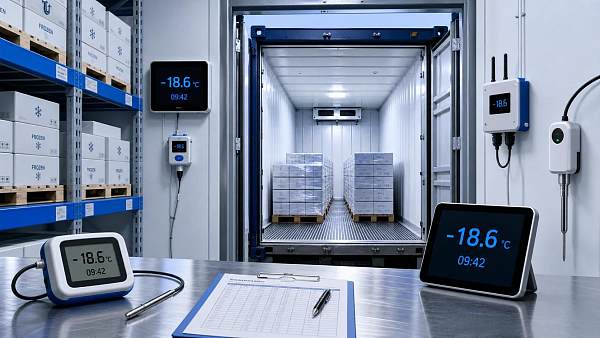
- Sensor and reefer monitoring feeds for condition-based placement
This is where G-WLP’s wider intelligence frame becomes useful.
Yard slot optimization is easier to assess when viewed alongside TOS integration, equipment automation, customs visibility, and decarbonization targets.
For instance, fewer rehandles can also mean lower diesel use, lower battery drain, and less non-productive motion in zero-emission yard fleets.
The same logic supports cold-chain reliability. A reefer container placed in the wrong block is not just inconvenient. It can disrupt monitoring access and power discipline.
Where do ports usually get yard slot optimization wrong?
The most common mistake is treating yard slot optimization as a one-time slot assignment instead of a rolling operational decision.
A slot that looked reasonable at discharge may become inefficient after a vessel delay, customs hold, truck no-show, or rail schedule shift.
Another frequent issue is over-prioritizing density. A very full block can look efficient on paper while performing poorly in retrieval.
More common warning signs include:
- Mixing fast-turn and long-dwell containers in the same stack zone
- Ignoring import and export flow differences
- Using fixed rules without feedback from actual move history
- Separating gate planning from yard planning
- Underestimating exception cargo such as reefers, out-of-gauge, or inspections
It is also easy to assume software alone will fix the yard.
In reality, yard slot optimization depends on data quality, operating discipline, and clear exception rules.
If booking updates are late, block maps are inaccurate, or truck arrivals ignore appointments, even advanced planning logic will struggle.
How should a port evaluate whether its yard slot optimization is improving?
The best check is not a single KPI. It is a pattern across service, motion, and predictability.
A practical review usually tracks both direct and secondary indicators.
A sensible next step is to test one yard block or one cargo flow first.
That makes it easier to compare baseline rehandles, retrieval times, and dispatch reliability before scaling wider changes.
It also helps to review yard slot optimization together with berth windows, truck appointment compliance, and intermodal transfer plans.
A yard rarely improves permanently when the surrounding flow remains fragmented.
So, what is the practical takeaway before changing a yard strategy?
Yard slot optimization is most valuable when it is treated as flow design, not simple space allocation.
The real question is whether each slot supports the next likely move with the fewest disruptions.
In port operations, that mindset helps reduce rehandles, compress truck turn times, and create a more predictable yard under pressure.
Before adjusting rules or software, map the highest-friction container flows, review dwell-time patterns, and identify where retrieval conflicts happen most often.
Then compare whether the current TOS logic, appointment controls, and block design reflect actual operating behavior.
That grounded review usually leads to better decisions than chasing generic efficiency claims.
For anyone tracking smart-port development through G-WLP, yard slot optimization is a useful lens because it connects automation, infrastructure, data quality, and service performance in one operational question.
If the next step is evaluation, focus on measurable friction points, realistic data inputs, and phased testing criteria before expanding any optimization model.
Related News
 Reefer Monitoring Price Explained: Cost Drivers, Subscription Models, and ROI BenchmarksReefer monitoring price explained clearly: compare cost drivers, subscription models, hidden fees, and ROI benchmarks to choose a smarter cold-chain monitoring solution.
 How to Choose a Temperature Monitoring System for Cold Chain Compliance and Audit ReadinessTemperature monitoring system selection affects compliance, product quality, and audit outcomes. Learn how to compare alerts, calibration, data integrity, and reporting for cold chain readiness.
 Port Infrastructure Planning Checklist: What to Evaluate for Capacity, Yard Flow, and ExpansionFreight Capital & Infra Investment EconomicsPort infrastructure planning checklist covering real capacity, yard flow, equipment fit, connectivity, and expansion readiness—use it to spot hidden bottlenecks and make smarter investment decisions.
 Container Port Automation vs Conventional Operations: Which KPIs Matter Before You Invest?Port Digital Twin ArchitectContainer port automation vs conventional operations: discover the KPIs that truly shape ROI, throughput, yard efficiency, labor productivity, and resilience before you invest.
 Autonomous Delivery for Hospitals: Best Use Cases, Workflow Design, and Safety CheckpointsSpatial Computing & Machine Vision GeekAutonomous Delivery for hospitals: explore the best use cases, workflow design steps, and safety checkpoints to improve hospital logistics, traceability, and efficiency.
 Shipping Map Puts China Port AI at the CenterPort Digital Twin ArchitectShipping Map puts China Port AI at the center of global supply chain resilience. Learn how smarter port dispatch may reshape routing, transshipment, and delivery reliability.
 Red Sea Diversions Lift Rates as LNG Boxship Orders JumpZero-Carbon Powertrain FellowRed Sea diversions lift rates as LNG boxship orders jump, reshaping Asia-Europe freight, vessel specs, and delivery planning. See what shippers and buyers should do next.
 EU Starts Low-Value Parcel Tax Rule in JulyGlobal Routing & Distribution StrategistEU low-value parcel tax rule starts in July 2026: learn how IOSS VAT and AEO pre-declaration may impact customs timing, costs, and compliance for e-commerce exporters.
 Last Mile Routing Provider Comparison: SLA, API, Coverage, and Pricing FactorsSpatial Computing & Machine Vision GeekLast mile routing provider comparison guide: evaluate SLA performance, API depth, coverage, and pricing factors to reduce delivery risk, improve integration, and choose a partner that scales.
 Port Data Integration Problems: How to Connect TOS, Customs, Yard, and Carrier SystemsPort Digital Twin ArchitectPort data integration challenges can delay cargo, distort visibility, and raise costs. Learn how to connect TOS, customs, yard, and carrier systems with a practical framework.
 Automated Cranes in Singapore Ports: Key Specs, Throughput Metrics, and Site FitPort Digital Twin ArchitectAutomated cranes Singapore projects require more than bold specs. Explore key performance metrics, site-fit factors, and integration insights to choose smarter port automation solutions.
 How to Choose Temperature-Controlled Logistics Packaging for Transit Time and Product RiskTemperature-controlled logistics packaging selection starts with transit time and product risk. Learn how to compare options, reduce spoilage, control cost, and choose with confidence.