Port Hydrogen Truck vs Battery-Electric Drayage Truck: Which Fits Port Duty Cycles?




Why this comparison matters at the port gate
For zero-emission drayage, the headline choice often sounds simple: hydrogen or battery-electric. In real port operations, it is rarely that simple.
A port hydrogen truck and a battery-electric drayage truck can both cut tailpipe emissions. The harder question is how each one performs across actual port duty cycles.
That means looking beyond vehicle range. Uptime, queue time, payload sensitivity, shift structure, yard congestion, and energy infrastructure all shape the right answer.
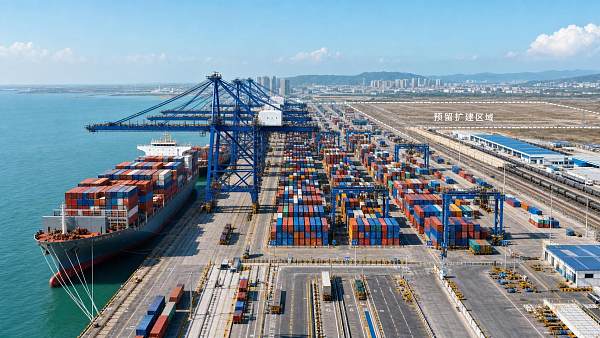
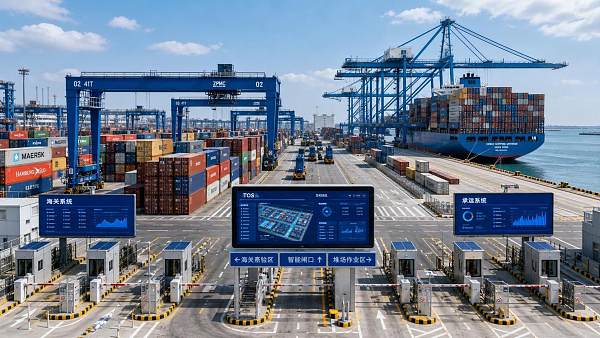
For ports tracking TEU throughput, TOS-linked dispatch, and decarbonization targets, truck selection is now part of a larger infrastructure decision.
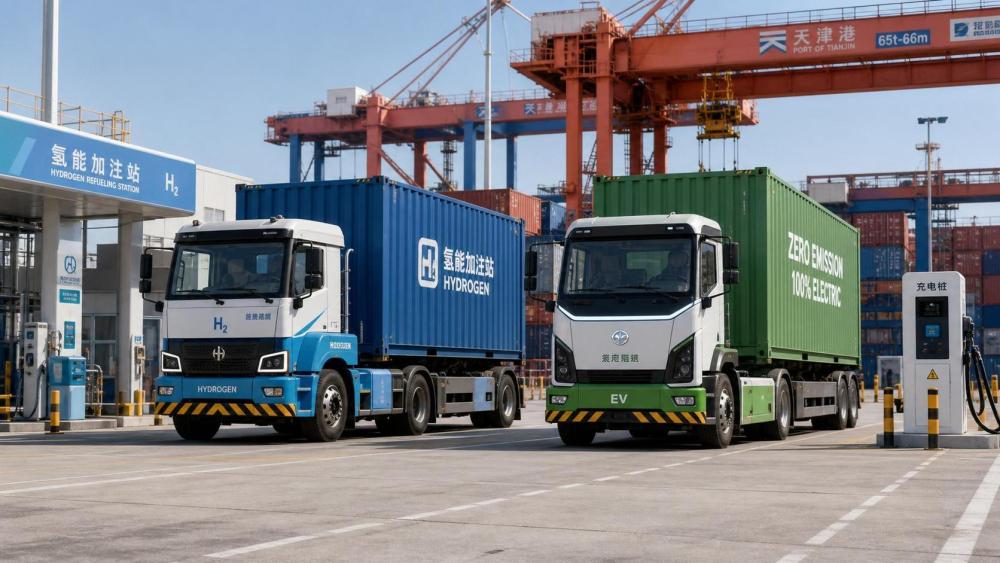
This is why the port hydrogen truck has gained attention across smart-logistics planning. It sits at the intersection of energy strategy, terminal efficiency, and equipment utilization.
Two zero-emission paths, two different operating logics
A battery-electric drayage truck stores energy directly in onboard batteries. It is charged from the grid, usually during scheduled windows or shift breaks.
A port hydrogen truck uses hydrogen fuel cells to generate electricity onboard. It still runs on electric drive, but refueling works more like conventional fleet fueling.
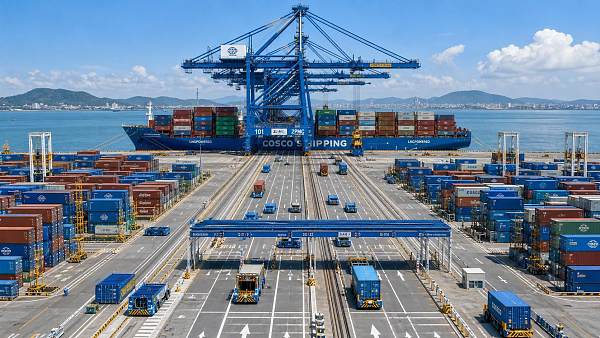
The distinction matters because ports do not operate like highway freight networks. Many drayage movements are short, repetitive, and highly dependent on turnaround speed.
In other words, the vehicle is only one part of the system. Yard layouts, gate peaks, berth schedules, and regional haul patterns determine which energy pathway is more practical.
Where battery-electric is naturally strong
Battery-electric trucks often fit predictable, shorter drayage loops. They also work well when charging windows can be built into shift planning.
If a port has reliable grid capacity, managed charging software, and overnight dwell time, battery-electric can be operationally efficient and mechanically simpler.
Where a port hydrogen truck gains ground
A port hydrogen truck becomes more attractive when routes are longer, utilization is high, and idle time for charging is expensive.
Fast refueling can help preserve asset availability, especially in ports handling round-the-clock traffic or mixed duty cycles beyond the terminal fence.
Duty cycles are the real decision framework
Ports often discuss trucks by technology category. A better approach is to start with duty cycle mapping.
A duty cycle includes trip distance, stop frequency, cargo weight, queue time, road grade, climate loads, and shift duration. It also includes what happens between trips.
A truck serving near-dock container transfers is not solving the same problem as one moving containers to inland rail, warehouse clusters, or cross-border corridors.
This is why a port hydrogen truck is not automatically better. It is simply better aligned with some operating profiles.
Infrastructure changes the economics
Vehicle comparisons often fail because they ignore upstream infrastructure. In ports, infrastructure readiness can outweigh the truck sticker price.
Battery-electric fleets need charging hardware, power distribution, utility coordination, and software for load management. In constrained terminals, grid upgrades can take time.
A port hydrogen truck needs access to hydrogen supply, storage, dispensing, safety procedures, and service support. Those requirements are different, not lighter.
From a G-WLP perspective, this is where smart infrastructure planning becomes critical. Ports do not buy trucks in isolation. They build operating ecosystems.
Digital twins, energy monitoring, and TOS-connected yard orchestration can improve both pathways. They also reveal where hidden bottlenecks will appear first.
Questions worth asking early
- Is dwell time predictable enough to support charging without reducing dispatch availability?
- Will future berth expansion or automation increase truck utilization beyond current assumptions?
- Can the site support hydrogen delivery or production at the needed scale?
- Are energy costs stable enough to support long-term fleet planning?
Typical port scenarios and likely fit
Not every port moves cargo in the same pattern. That is why broad statements about the port hydrogen truck can be misleading.
Near-dock shuttle operations
Short, repetitive transfers between terminal, yard, and nearby depot often favor battery-electric units, especially when trucks can charge between shifts.
Extended drayage into inland logistics zones
When routes extend to inland ports, rail ramps, or high-volume warehouse clusters, a port hydrogen truck may better protect uptime and schedule flexibility.
Mixed port and regional freight tasks
Fleets serving both terminal drayage and variable regional assignments often need operational resilience more than simple energy efficiency metrics.
In these cases, the port hydrogen truck can be attractive because refueling may align more cleanly with irregular dispatch cycles.
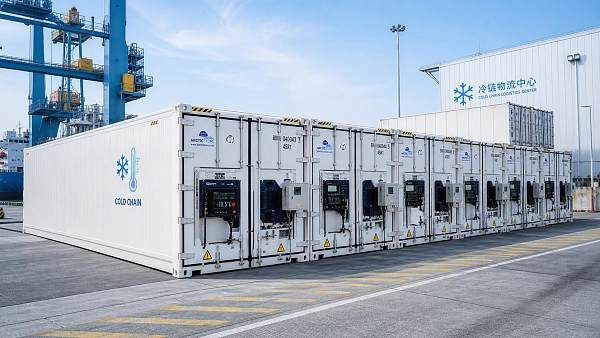
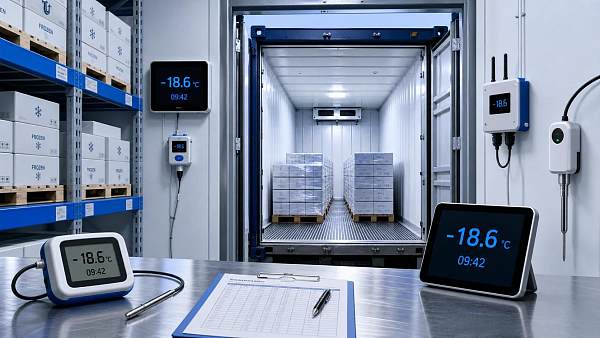
Cold-chain and time-sensitive cargo links
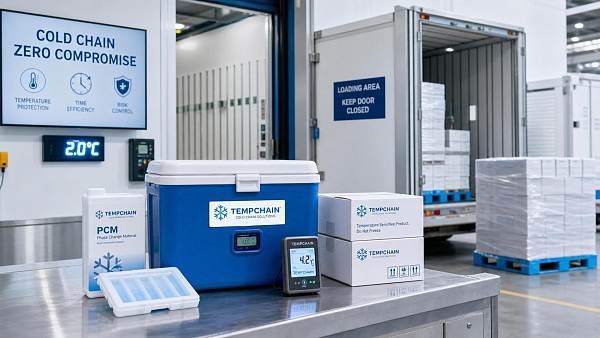
For reefer corridors or pharmaceutical movements, schedule certainty matters. Missed slots can affect product integrity, dock planning, and customer commitments.
That does not automatically favor hydrogen, but it does raise the value of fast turnaround and less charging-related downtime.
What decision-makers should compare beyond purchase price
A narrow vehicle cost comparison rarely captures the full business case. The better lens is total operating efficiency.
- Asset utilization: how many productive hours each truck delivers per day.
- Energy downtime: minutes lost to charging, refueling, queueing, or repositioning.
- Payload impact: whether weight changes reduce revenue-generating capacity.
- Infrastructure lead time: how quickly the site can deploy power or hydrogen support.
- Operational integration: how well the fleet fits gate systems, yard planning, and maintenance workflows.
- Risk profile: exposure to utility delays, fuel supply constraints, technology maturity, and policy shifts.
The port hydrogen truck often looks strongest when downtime is costly and route variability is high. Battery-electric often leads when operations are stable and charging is manageable.
A practical way to move from debate to deployment
The most effective fleets usually start with segmentation, not ideology. Map routes by distance, dwell, payload, and service urgency.
Then match each route cluster to an energy model. Some fleets may justify battery-electric for short loops and a port hydrogen truck for longer or less predictable work.
Pilot design also matters. A useful trial should measure queue time, real payload effect, maintenance intervals, and integration with yard scheduling systems.
That approach fits the wider G-WLP view of modern logistics: physical assets, digital controls, compliance, and infrastructure have to be assessed together.
The next step is not to declare one technology the universal winner. It is to build a duty-cycle matrix, test energy readiness, and compare how each option supports throughput over time.
For any port evaluating decarbonized drayage, the best choice is the one that keeps cargo moving with the least operational friction.
Related News
 Reefer Monitoring Price Explained: Cost Drivers, Subscription Models, and ROI BenchmarksReefer monitoring price explained clearly: compare cost drivers, subscription models, hidden fees, and ROI benchmarks to choose a smarter cold-chain monitoring solution.
 How to Choose a Temperature Monitoring System for Cold Chain Compliance and Audit ReadinessTemperature monitoring system selection affects compliance, product quality, and audit outcomes. Learn how to compare alerts, calibration, data integrity, and reporting for cold chain readiness.
 Port Infrastructure Planning Checklist: What to Evaluate for Capacity, Yard Flow, and ExpansionFreight Capital & Infra Investment EconomicsPort infrastructure planning checklist covering real capacity, yard flow, equipment fit, connectivity, and expansion readiness—use it to spot hidden bottlenecks and make smarter investment decisions.
 Container Port Automation vs Conventional Operations: Which KPIs Matter Before You Invest?Port Digital Twin ArchitectContainer port automation vs conventional operations: discover the KPIs that truly shape ROI, throughput, yard efficiency, labor productivity, and resilience before you invest.
 Autonomous Delivery for Hospitals: Best Use Cases, Workflow Design, and Safety CheckpointsSpatial Computing & Machine Vision GeekAutonomous Delivery for hospitals: explore the best use cases, workflow design steps, and safety checkpoints to improve hospital logistics, traceability, and efficiency.
 Shipping Map Puts China Port AI at the CenterPort Digital Twin ArchitectShipping Map puts China Port AI at the center of global supply chain resilience. Learn how smarter port dispatch may reshape routing, transshipment, and delivery reliability.
 Red Sea Diversions Lift Rates as LNG Boxship Orders JumpZero-Carbon Powertrain FellowRed Sea diversions lift rates as LNG boxship orders jump, reshaping Asia-Europe freight, vessel specs, and delivery planning. See what shippers and buyers should do next.
 EU Starts Low-Value Parcel Tax Rule in JulyGlobal Routing & Distribution StrategistEU low-value parcel tax rule starts in July 2026: learn how IOSS VAT and AEO pre-declaration may impact customs timing, costs, and compliance for e-commerce exporters.
 Last Mile Routing Provider Comparison: SLA, API, Coverage, and Pricing FactorsSpatial Computing & Machine Vision GeekLast mile routing provider comparison guide: evaluate SLA performance, API depth, coverage, and pricing factors to reduce delivery risk, improve integration, and choose a partner that scales.
 Port Data Integration Problems: How to Connect TOS, Customs, Yard, and Carrier SystemsPort Digital Twin ArchitectPort data integration challenges can delay cargo, distort visibility, and raise costs. Learn how to connect TOS, customs, yard, and carrier systems with a practical framework.
 Automated Cranes in Singapore Ports: Key Specs, Throughput Metrics, and Site FitPort Digital Twin ArchitectAutomated cranes Singapore projects require more than bold specs. Explore key performance metrics, site-fit factors, and integration insights to choose smarter port automation solutions.
 How to Choose Temperature-Controlled Logistics Packaging for Transit Time and Product RiskTemperature-controlled logistics packaging selection starts with transit time and product risk. Learn how to compare options, reduce spoilage, control cost, and choose with confidence.