Terminal Tractors Selection Guide: Towing Capacity, Cab Layout, and Yard Use Cases




Terminal tractors: what really matters before you compare models?
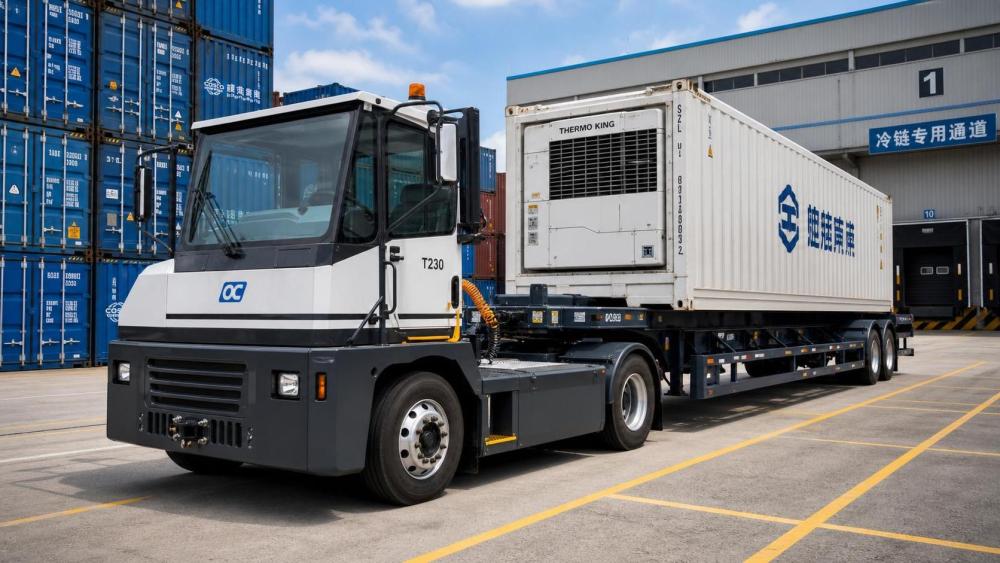
Choosing terminal tractors starts with the yard, not the brochure.
A unit that looks strong on paper may slow trailer exchange, waste fuel, or create visibility issues at busy transfer points.
That is why terminal tractors are usually evaluated through three linked questions.
Can they handle the real trailer weight range, fit the driver workflow, and support the yard pattern expected over the next five to eight years?
In port and logistics operations, those questions connect directly to throughput, turnaround time, and maintenance planning.
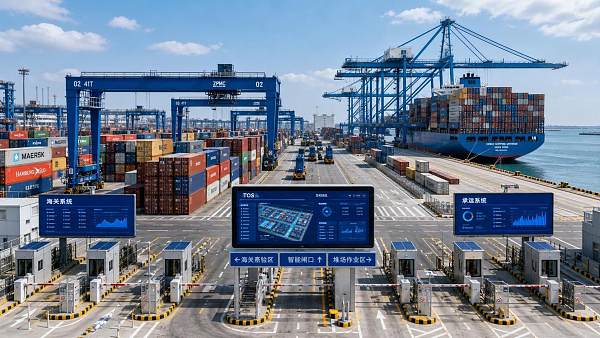
This is especially relevant where terminal operating systems, AI yard planning, and zero-emission equipment are reshaping equipment choices.
G-WLP often frames equipment decisions in that broader infrastructure context.
Terminal tractors do not work alone.
They sit between trailers, chassis, gate timing, dock scheduling, and sometimes electrification targets.
So the better question is not simply which terminal tractors cost less today.
It is which specification protects yard productivity and total cost over time.
How much towing capacity is enough in normal yard work?
Many buyers overfocus on maximum towing numbers.
In practice, terminal tractors should be matched to daily loaded moves, ramp gradients, surface condition, and stop-start frequency.
A container yard, an intermodal rail terminal, and a retail distribution campus rarely place the same stress on equipment.
The useful measure is working capacity under repeated cycles, not peak power during a short demonstration.
Loaded container chassis, refrigerated trailers, and dense cross-dock flows can all change the required margin.
If the yard includes inclines, uneven pavement, or long queue zones, reserve capacity becomes more important.
A practical way to assess terminal tractors is to classify moves into light, standard, and heavy-duty duty cycles.
- Light duty: short trailer shunts in flat distribution yards with limited congestion.
- Standard duty: mixed chassis and trailer moves across medium-distance yard loops.
- Heavy duty: high-frequency port or intermodal operations with loaded containers and longer idling windows.
If terminal tractors are undersized, the cost appears in slow acceleration, brake wear, tire wear, and more unplanned downtime.
If they are oversized, capital cost rises and energy use may not align with the real duty cycle.
The better balance is to specify enough headroom for peak weeks without buying around rare exceptions.
A quick selection table for common yard conditions
The table below helps convert operating patterns into a cleaner terminal tractors shortlist.
Does cab layout really affect throughput, or is it just a comfort issue?
Cab layout has a direct operational effect.
In high-cycle yards, every repeated motion matters.
A driver may enter and exit dozens, sometimes hundreds, of times per shift.
Poor step height, awkward door geometry, or limited rear visibility can slow trailer handling more than expected.
This is one reason experienced operators compare terminal tractors by workflow fit, not just engine or battery specifications.
The cab should support quick alignment, clear sightlines, and low-fatigue movement between forward and reverse maneuvers.
A centered or optimized seating position may improve confidence in crowded yard zones.
Easy controls for fifth-wheel operation also reduce cycle friction.
When terminal tractors operate near automated yard equipment, safety visibility becomes even more important.
That includes awareness around AGVs, container handlers, pedestrian crossings, and reefer service lanes.
More advanced yards may also want cameras, telematics, or digital event logging integrated into the cab environment.
In other words, cab design influences safety, training time, and shift-level consistency.
- Check entry and exit steps during real trailer exchange simulations.
- Review visibility with loaded chassis, parked trailers, and side traffic present.
- Confirm switch placement for gloves, wet conditions, and night shifts.
- Ask whether mirror, camera, and alarm systems match the yard safety plan.
Which yard use cases need different terminal tractors?
The biggest mistake is assuming one yard profile fits another.
Terminal tractors used at marine terminals face different timing pressures than those used in parcel hubs or cold-chain campuses.
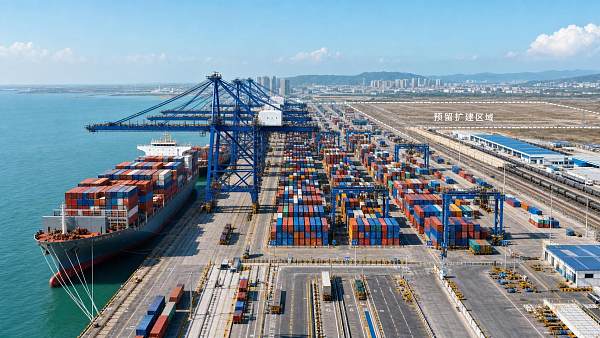
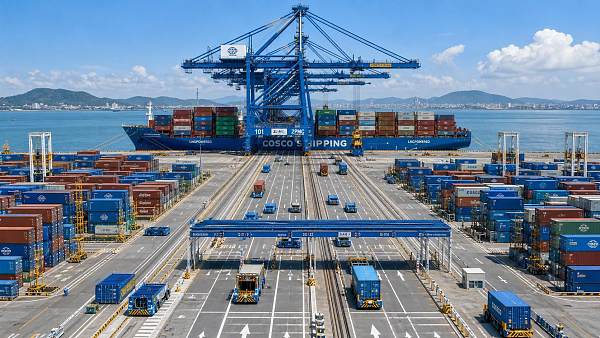
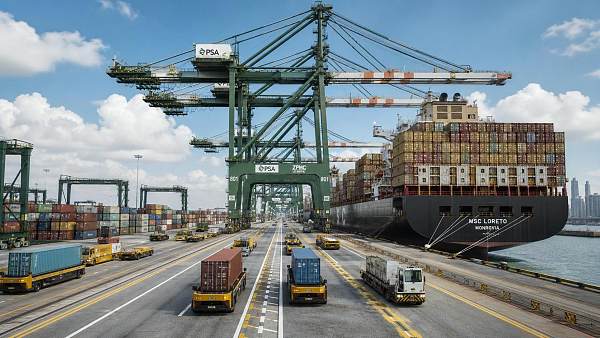
At a port, terminal tractors often support dense move sequences linked to vessel schedules, gate peaks, and chassis availability.
That environment rewards durability, traction, and strong integration with dispatch systems.
In intermodal rail yards, maneuverability and trailer positioning precision may matter just as much as raw pull.
At e-commerce or retail distribution sites, the daily rhythm can be more repetitive.
There, cab ergonomics and low-cost service support often shape the better choice.
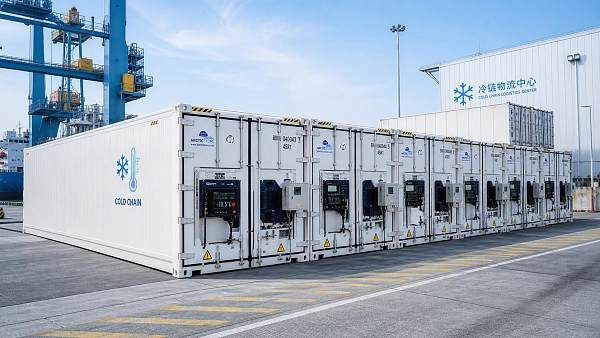
Cold-chain yards add another layer.
Traffic near reefer rows, service technicians, and power points may increase stop frequency and visibility requirements.
If the site is moving toward zero-emission operations, electric terminal tractors become more attractive where routes are predictable and charging can be planned between shifts.
That fits the broader G-WLP focus on decarbonization, digital infrastructure, and resilient freight operations.
The better selection process maps terminal tractors to yard logic, not just to asset category.
A simple way to frame use-case fit
- Port yard: prioritize heavy cycle durability, safety tech, and dispatch compatibility.
- Intermodal hub: prioritize traction, tight turning, and stable coupling performance.
- Distribution yard: prioritize easy ingress, fast trailer spotting, and simple maintenance access.
- Cold-chain site: prioritize visibility, controlled stop-start operation, and predictable uptime.
Where do buyers usually misjudge cost?
The purchase price is only the visible part of terminal tractors ownership.
More expensive mistakes usually come from mismatched duty cycles, weak service planning, or poor fleet standardization.
For example, two models with similar acquisition cost may perform very differently once tire life, brake wear, energy consumption, and spare parts lead time are added.
Downtime can be even more costly in yards linked to vessel windows, rail slots, or time-sensitive distribution flows.
That is why lifecycle review should cover more than fuel or battery economics.
It should also include operator training, telematics, workshop capability, and infrastructure upgrades.
Electric terminal tractors may lower emissions and reduce some maintenance items.
But they need a credible charging model, electrical capacity review, and operating schedule alignment.
Diesel terminal tractors may be easier to deploy quickly, yet future emissions rules or corporate carbon targets can shift the long-term cost picture.
A realistic comparison usually includes these checkpoints.
- Expected annual move volume and seasonal peaks.
- Service interval frequency and local parts support.
- Energy or fuel cost under actual idling conditions.
- Infrastructure adaptation, especially for electric terminal tractors.
- Residual value and fleet replacement timing.
What should be on the final shortlist before placing an order?
By the final stage, the decision should be evidence-based rather than feature-driven.
Terminal tractors that look similar in specification sheets can behave very differently in a live yard.
A useful shortlist combines technical fit, operating cost, and implementation readiness.
That includes compatibility with trailers and chassis already in service.
It also includes whether the unit fits digital reporting, safety compliance, and future yard expansion.
In actual procurement reviews, the strongest option is often the one that creates the fewest operational compromises.
Before closing the decision, confirm the following points in writing.
A well-chosen terminal tractors fleet should support current trailer flow while leaving room for digitalization and cleaner energy pathways.
That is the more durable decision standard.
So how should the decision move forward from here?
Start by documenting actual trailer types, load bands, route lengths, and daily move counts.
Then compare terminal tractors against those yard facts, not against broad catalog claims.
Shortlist models by towing capacity, cab workflow, and site-specific use case.
After that, test lifecycle assumptions around maintenance, energy, and uptime support.
For operations connected to smart ports, intermodal expansion, or zero-emission targets, the equipment review should also reflect future infrastructure direction.
That approach makes terminal tractors selection less reactive and far more reliable.
The right unit is rarely the one with the highest headline specification.
It is the one that keeps the yard moving, safely and predictably, at the cost level the operation can sustain.
Related News
 Reefer Monitoring Price Explained: Cost Drivers, Subscription Models, and ROI BenchmarksReefer monitoring price explained clearly: compare cost drivers, subscription models, hidden fees, and ROI benchmarks to choose a smarter cold-chain monitoring solution.
 How to Choose a Temperature Monitoring System for Cold Chain Compliance and Audit ReadinessTemperature monitoring system selection affects compliance, product quality, and audit outcomes. Learn how to compare alerts, calibration, data integrity, and reporting for cold chain readiness.
 Port Infrastructure Planning Checklist: What to Evaluate for Capacity, Yard Flow, and ExpansionFreight Capital & Infra Investment EconomicsPort infrastructure planning checklist covering real capacity, yard flow, equipment fit, connectivity, and expansion readiness—use it to spot hidden bottlenecks and make smarter investment decisions.
 Container Port Automation vs Conventional Operations: Which KPIs Matter Before You Invest?Port Digital Twin ArchitectContainer port automation vs conventional operations: discover the KPIs that truly shape ROI, throughput, yard efficiency, labor productivity, and resilience before you invest.
 Autonomous Delivery for Hospitals: Best Use Cases, Workflow Design, and Safety CheckpointsSpatial Computing & Machine Vision GeekAutonomous Delivery for hospitals: explore the best use cases, workflow design steps, and safety checkpoints to improve hospital logistics, traceability, and efficiency.
 Shipping Map Puts China Port AI at the CenterPort Digital Twin ArchitectShipping Map puts China Port AI at the center of global supply chain resilience. Learn how smarter port dispatch may reshape routing, transshipment, and delivery reliability.
 Red Sea Diversions Lift Rates as LNG Boxship Orders JumpZero-Carbon Powertrain FellowRed Sea diversions lift rates as LNG boxship orders jump, reshaping Asia-Europe freight, vessel specs, and delivery planning. See what shippers and buyers should do next.
 EU Starts Low-Value Parcel Tax Rule in JulyGlobal Routing & Distribution StrategistEU low-value parcel tax rule starts in July 2026: learn how IOSS VAT and AEO pre-declaration may impact customs timing, costs, and compliance for e-commerce exporters.
 Last Mile Routing Provider Comparison: SLA, API, Coverage, and Pricing FactorsSpatial Computing & Machine Vision GeekLast mile routing provider comparison guide: evaluate SLA performance, API depth, coverage, and pricing factors to reduce delivery risk, improve integration, and choose a partner that scales.
 Port Data Integration Problems: How to Connect TOS, Customs, Yard, and Carrier SystemsPort Digital Twin ArchitectPort data integration challenges can delay cargo, distort visibility, and raise costs. Learn how to connect TOS, customs, yard, and carrier systems with a practical framework.
 Automated Cranes in Singapore Ports: Key Specs, Throughput Metrics, and Site FitPort Digital Twin ArchitectAutomated cranes Singapore projects require more than bold specs. Explore key performance metrics, site-fit factors, and integration insights to choose smarter port automation solutions.
 How to Choose Temperature-Controlled Logistics Packaging for Transit Time and Product RiskTemperature-controlled logistics packaging selection starts with transit time and product risk. Learn how to compare options, reduce spoilage, control cost, and choose with confidence.