How Real Time Smart Yard Systems Improve Container Visibility and Dispatch Accuracy




How Real Time Smart Yard Systems Improve Container Visibility and Dispatch Accuracy
For project managers under pressure to improve yard performance, real time smart yard systems offer a practical path to stronger container visibility and more accurate dispatch decisions.
By connecting equipment, location data, and operational workflows in one live environment, these systems help reduce congestion, cut handling delays, and support better coordination.
That matters across terminals, depots, inland container yards, and intermodal transfer sites, where one blind spot can quickly turn into a costly dispatch error.
Why container visibility is still a yard problem
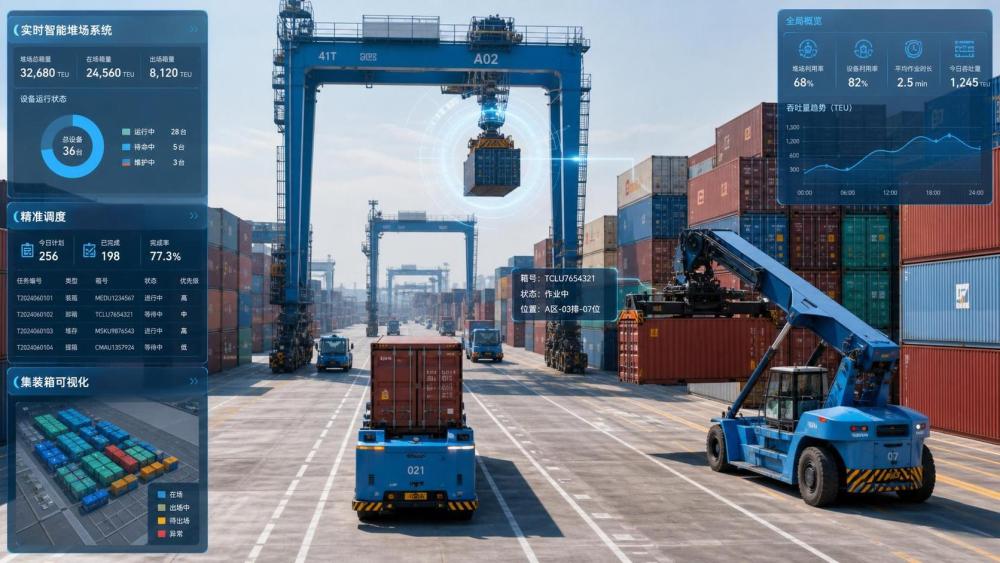
Many yards already run TOS, gate systems, and equipment tracking tools. Still, operators often struggle to see the exact container status at the right moment.
The issue is not only data volume. It is usually data timing, data quality, and weak coordination between planning screens and field execution.
A container may appear available in the system, yet still be blocked, mispositioned, under inspection, or assigned to the wrong move sequence.
In practical operations, these gaps create avoidable rehandles, truck waiting time, crane idle time, and missed dispatch windows.
This is where real time smart yard systems stand out. They do not just store yard data. They keep the yard state continuously updated.
That live view supports better dispatch logic, especially when yard density, labor shifts, truck arrivals, and vessel schedules change by the hour.
What real time smart yard systems actually connect
A strong deployment combines physical tracking, equipment telemetry, workflow rules, and decision support in one operational layer.
In most projects, real time smart yard systems connect several data sources at once:
- container location from RFID, OCR, GPS, RTLS, or camera-based recognition
- equipment position and status from RTGs, reach stackers, terminal tractors, and AGVs
- job orders from TOS, WMS, dispatch modules, or gate appointment systems
- exception signals from customs, inspections, damage checks, and reefer monitoring points
- live yard capacity data by block, lane, stack, dwell time, and move priority
When these inputs remain isolated, teams spend time reconciling information. When unified, they can act faster with fewer manual confirmations.
More importantly, real time smart yard systems turn static container records into operational decisions that reflect what is happening now, not thirty minutes ago.
How they improve dispatch accuracy
Dispatch accuracy improves when the system knows three things clearly: where the unit is, whether it is accessible, and which move has priority.
That sounds simple, but many yards lose accuracy because one of those three variables changes without fast system feedback.
Real time smart yard systems reduce that risk by validating each move against live yard conditions before work is dispatched.
For example, a tractor assignment can be adjusted immediately if a target container is blocked by late inbound stacking.
A reach stacker can be redirected when another machine is closer, available sooner, or already aligned with the next job sequence.
A gate pickup can also be resequenced if customs release changes, truck ETAs shift, or reefer handling rules require priority treatment.
In short, real time smart yard systems improve dispatch accuracy by replacing assumption-based moves with condition-based execution.
Typical accuracy gains seen in live operations
- fewer wrong-slot dispatches and fewer last-minute job cancellations
- lower rehandle rates for export, import, and transshipment containers
- better alignment between truck appointments and pickup readiness
- faster exception handling for damaged, held, or temperature-sensitive cargo
- improved machine utilization across mixed fleets and shift changes
Business scenarios where the value becomes obvious
From recent market changes, the strongest signal is that yards must handle more complexity without expanding labor at the same pace.
That makes real time smart yard systems especially useful in high-variation environments, where dispatch errors multiply under pressure.
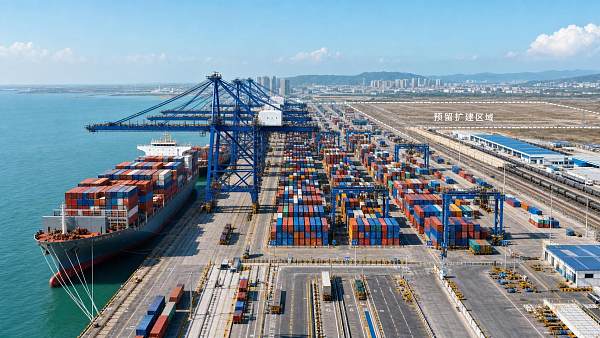
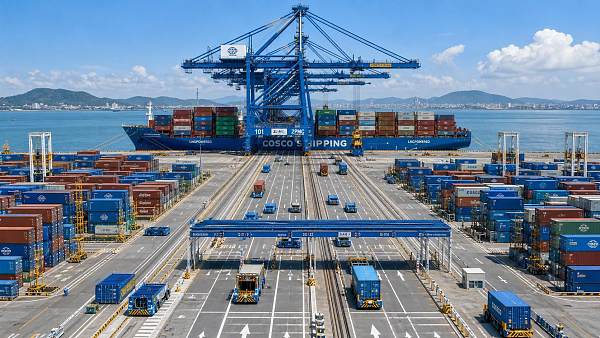
Port terminals with mixed traffic
Marine terminals juggle vessel operations, truck gates, rail interfaces, and customs controls at the same time.
Real time smart yard systems help dispatchers prioritize yard moves that protect berth productivity and reduce truck turnaround risk.
Inland depots and intermodal hubs
These sites often rely on tighter labor teams and more manual coordination. One bad location record can disrupt rail loading plans quickly.
Here, real time smart yard systems improve confidence in container handoff, equipment dispatch, and outbound schedule control.
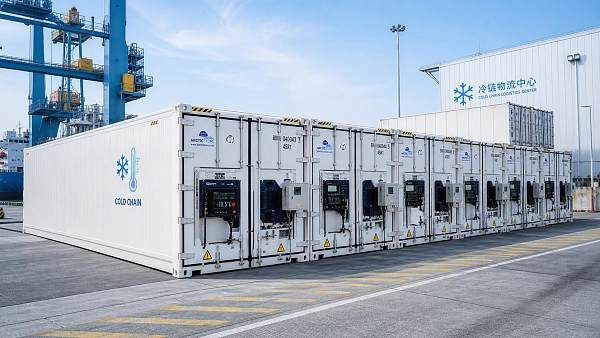
Cold-chain and reefer yards
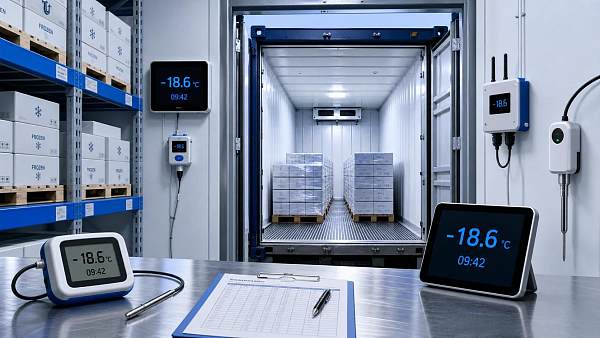
Reefer operations cannot afford location ambiguity or delayed dispatch. Power access, inspection timing, and cargo sensitivity all matter.
When integrated with reefer monitoring, real time smart yard systems support faster intervention and more reliable dispatch for critical loads.
What to evaluate before starting a project
Not every yard needs the same architecture. A useful deployment starts with operational bottlenecks, not with a shopping list of technologies.
Before selecting vendors or system modules, it helps to review five practical questions.
- Which dispatch errors create the highest cost today?
- How accurate is current container location data by yard zone?
- Which systems must exchange live information with the yard platform?
- What exception workflows still depend on calls, spreadsheets, or radio messages?
- Which KPIs will prove that real time smart yard systems are delivering value?
These questions keep the project grounded. They also help teams avoid overbuilding functions that do not solve dispatch pain points.
Core KPI baseline to capture early
Common implementation risks and how to avoid them
Even promising programs can stall if teams focus only on dashboards and ignore field discipline.
The first risk is poor master data. If slot mapping, equipment IDs, or event definitions are inconsistent, live visibility becomes unreliable.
The second risk is weak process ownership. Real time smart yard systems need clear rules for who validates exceptions and who approves overrides.
The third risk is partial integration. If gate data, TOS jobs, or equipment signals arrive late, dispatch logic will still miss reality.
A better rollout usually starts with one yard zone, one move type, and one measurable dispatch problem.
Once the workflow proves stable, teams can extend real time smart yard systems to wider blocks, more assets, and more exceptions.
A practical roadmap for better yard decisions
For most operations, the goal is not just visibility. The real goal is faster, more reliable decisions at dispatch level.
That is why real time smart yard systems work best when they support a phased operational roadmap:
- first, clean location and move event data
- next, connect live equipment and job status signals
- then, automate dispatch recommendations for priority moves
- after that, add exception alerts and predictive congestion views
- finally, link yard decisions with broader terminal, depot, or intermodal planning
This approach keeps investment tied to operational outcomes. It also makes stakeholder alignment much easier during implementation.
As supply chains become more time-sensitive and asset-intensive, real time smart yard systems are moving from optional upgrade to core infrastructure.
If the priority is stronger container visibility and better dispatch accuracy, the most effective next step is to map current yard blind spots, quantify dispatch loss, and build the system around those decisions first.
Related News
 Reefer Monitoring Price Explained: Cost Drivers, Subscription Models, and ROI BenchmarksReefer monitoring price explained clearly: compare cost drivers, subscription models, hidden fees, and ROI benchmarks to choose a smarter cold-chain monitoring solution.
 How to Choose a Temperature Monitoring System for Cold Chain Compliance and Audit ReadinessTemperature monitoring system selection affects compliance, product quality, and audit outcomes. Learn how to compare alerts, calibration, data integrity, and reporting for cold chain readiness.
 Port Infrastructure Planning Checklist: What to Evaluate for Capacity, Yard Flow, and ExpansionFreight Capital & Infra Investment EconomicsPort infrastructure planning checklist covering real capacity, yard flow, equipment fit, connectivity, and expansion readiness—use it to spot hidden bottlenecks and make smarter investment decisions.
 Container Port Automation vs Conventional Operations: Which KPIs Matter Before You Invest?Port Digital Twin ArchitectContainer port automation vs conventional operations: discover the KPIs that truly shape ROI, throughput, yard efficiency, labor productivity, and resilience before you invest.
 Autonomous Delivery for Hospitals: Best Use Cases, Workflow Design, and Safety CheckpointsSpatial Computing & Machine Vision GeekAutonomous Delivery for hospitals: explore the best use cases, workflow design steps, and safety checkpoints to improve hospital logistics, traceability, and efficiency.
 Shipping Map Puts China Port AI at the CenterPort Digital Twin ArchitectShipping Map puts China Port AI at the center of global supply chain resilience. Learn how smarter port dispatch may reshape routing, transshipment, and delivery reliability.
 Red Sea Diversions Lift Rates as LNG Boxship Orders JumpZero-Carbon Powertrain FellowRed Sea diversions lift rates as LNG boxship orders jump, reshaping Asia-Europe freight, vessel specs, and delivery planning. See what shippers and buyers should do next.
 EU Starts Low-Value Parcel Tax Rule in JulyGlobal Routing & Distribution StrategistEU low-value parcel tax rule starts in July 2026: learn how IOSS VAT and AEO pre-declaration may impact customs timing, costs, and compliance for e-commerce exporters.
 Last Mile Routing Provider Comparison: SLA, API, Coverage, and Pricing FactorsSpatial Computing & Machine Vision GeekLast mile routing provider comparison guide: evaluate SLA performance, API depth, coverage, and pricing factors to reduce delivery risk, improve integration, and choose a partner that scales.
 Port Data Integration Problems: How to Connect TOS, Customs, Yard, and Carrier SystemsPort Digital Twin ArchitectPort data integration challenges can delay cargo, distort visibility, and raise costs. Learn how to connect TOS, customs, yard, and carrier systems with a practical framework.
 Automated Cranes in Singapore Ports: Key Specs, Throughput Metrics, and Site FitPort Digital Twin ArchitectAutomated cranes Singapore projects require more than bold specs. Explore key performance metrics, site-fit factors, and integration insights to choose smarter port automation solutions.
 How to Choose Temperature-Controlled Logistics Packaging for Transit Time and Product RiskTemperature-controlled logistics packaging selection starts with transit time and product risk. Learn how to compare options, reduce spoilage, control cost, and choose with confidence.