What Drives Intermodal Logistics Cost? A Practical Breakdown of Rail, Port, and Drayage Fees




Intermodal logistics cost often seems volatile because it is not one price. It is a stack of linked charges across rail, terminal, truck, equipment, timing, and compliance. Once those layers are separated, shipment economics become easier to compare, approve, and control.
That matters more now because freight budgets are shaped by port congestion, inland capacity shifts, fuel swings, chassis shortages, and tighter service expectations. In a market tracked closely by platforms such as G-WLP, the real question is not only what a move costs, but why that number changes.
Where intermodal logistics cost really begins
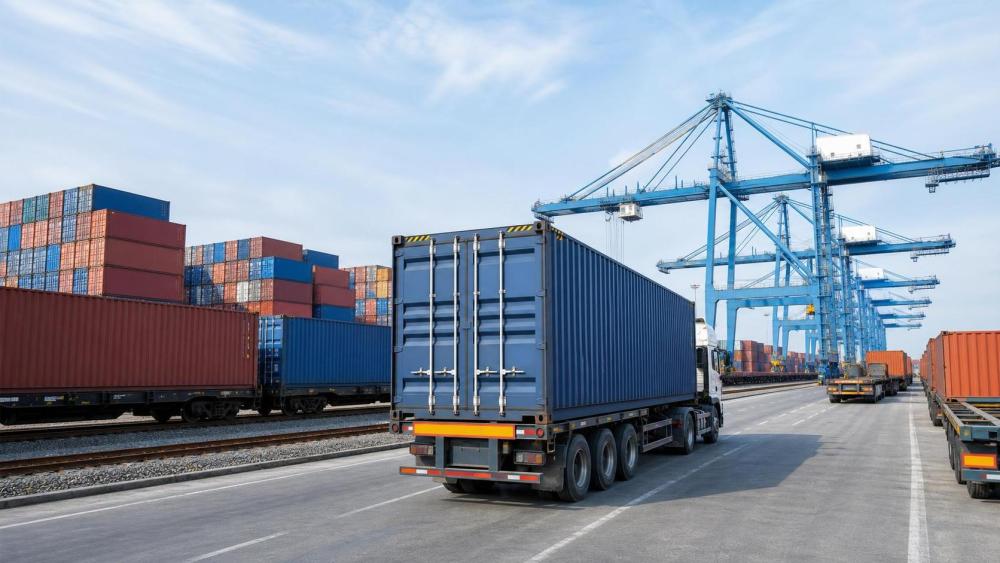
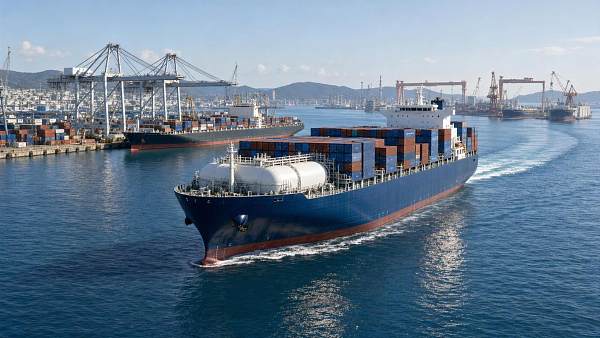
At a basic level, intermodal logistics cost covers one shipment moving through more than one transport mode. A container may arrive by vessel, transfer through a port, travel inland by rail, and finish by truck.
The budget therefore reflects handoffs as much as linehaul distance. Every transfer point can create a fee, a delay risk, or a service condition that changes the final landed cost.
For financial review, this is the key shift in perspective. The largest variance usually comes from operational friction between modes, not from one headline transport rate alone.
The three core cost blocks: rail, port, and drayage
Most intermodal budgets can be read through three primary cost blocks. Each behaves differently and reacts to different market signals.
Rail pricing
Rail is usually the longest inland segment, so it often carries the largest single charge. Even so, rail cost is not driven by mileage alone.
Lane density matters. Balanced corridors with steady volume often price better than irregular routes. Equipment availability, service level, train frequency, and terminal congestion also shape the rate.
Premium rail products can reduce transit risk, but they may raise intermodal logistics cost when timing sensitivity is high. Reefer, hazardous, overweight, or high-security cargo can push pricing further.
Port and terminal fees
Ports introduce charges that many buyers underestimate during early budgeting. These can include terminal handling, lift-on and lift-off moves, storage, demurrage, documentation, inspection, and gate-related charges.
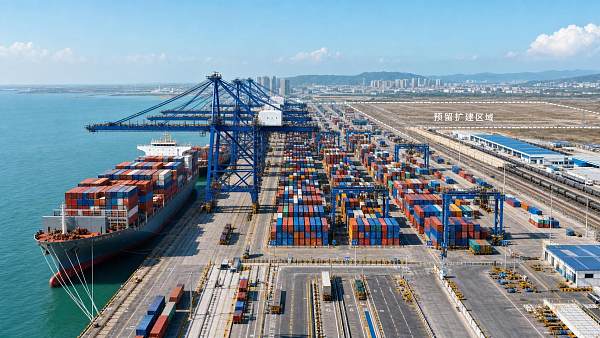
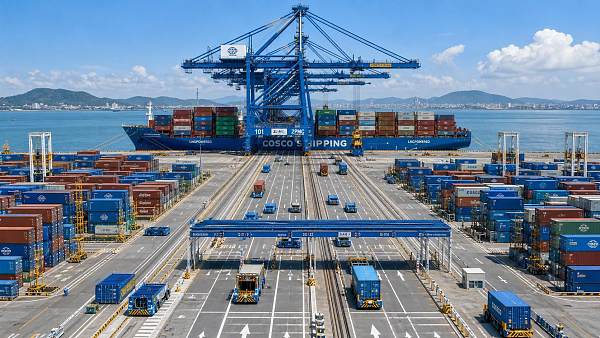
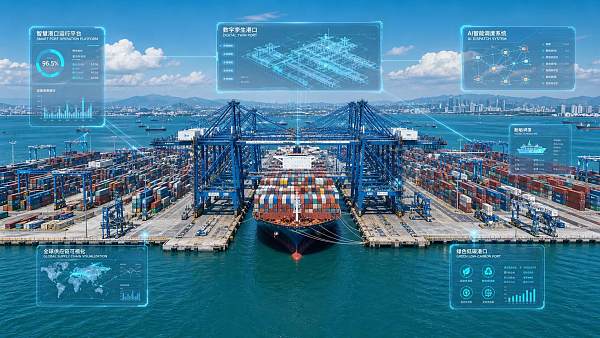
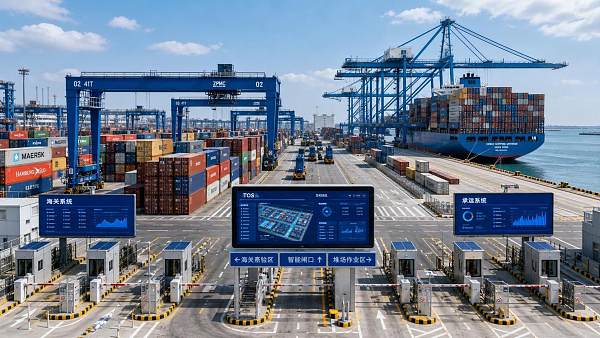
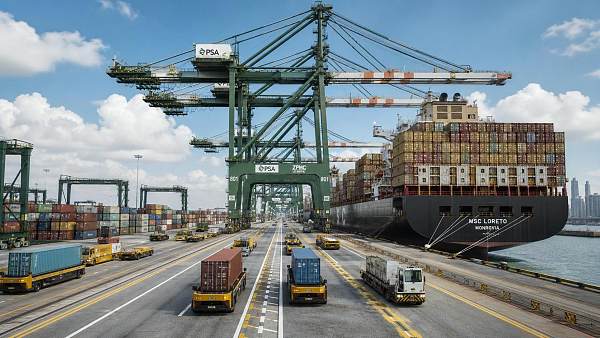
In automated terminals, better yard planning and digital visibility may improve throughput. Yet port pricing still depends on local tariff structures, labor conditions, vessel bunching, and customs activity.
A short delay at port can create a chain reaction. Storage days rise, drayage appointments shift, chassis turns slow, and rail cut-off windows may be missed.
Drayage fees
Drayage is the short-haul truck move between port, rail ramp, warehouse, or distribution node. It looks minor beside ocean and rail, but it frequently causes the sharpest budget surprises.
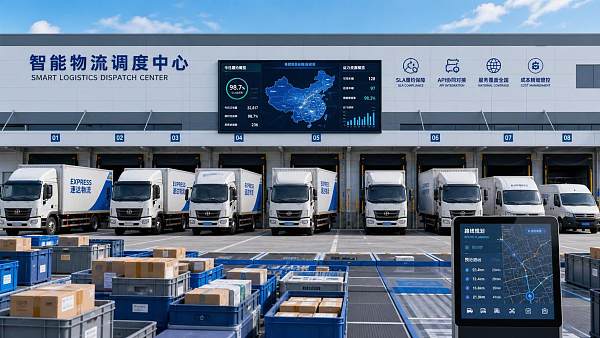
Local truck market conditions can change quickly. Driver supply, urban congestion, appointment delays, chassis access, toll roads, and waiting time all affect the invoice.
If the container is not ready when the truck arrives, the failed move itself becomes a cost event. The same is true when cut-off times, empty returns, or warehouse receiving windows are poorly aligned.
The hidden charges that change the final number
A workable budget must go beyond base rates. The final intermodal logistics cost is often shaped by accessorials that appear small individually but material in total.
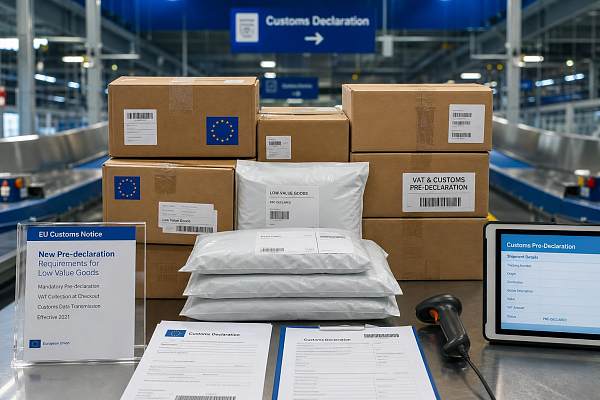
These charges are especially important in cross-border e-commerce, cold-chain, and time-sensitive replenishment. A cheap base quote may become expensive if container turns, documentation, or terminal dwell are poorly managed.
Why the same lane can price differently each month
Intermodal logistics cost changes because the network itself changes. Rail carriers rebalance capacity. Ports face weather disruption or labor pressure. Drayage markets tighten during import surges.
Digital factors matter too. Terminal operating systems, appointment platforms, customs data quality, and visibility tools all influence whether a shipment moves cleanly or accumulates delay-related expense.
This is where industry intelligence becomes useful. G-WLP and similar sources help connect freight indices, infrastructure conditions, automation trends, and tariff volatility to real operating cost behavior.
For example, a port with stronger yard automation may reduce congestion risk. But if inland chassis supply remains tight, total intermodal logistics cost may still stay elevated.
How to read cost by shipment type and operating scenario
Not every shipment reacts to the same cost drivers. The budget logic changes with cargo type, service urgency, and network design.
Retail and e-commerce flows
These flows often prioritize predictability over the absolute lowest rate. Missing a delivery window can trigger stockouts, expedited trucking, or downstream service penalties.
Cold-chain and reefer cargo
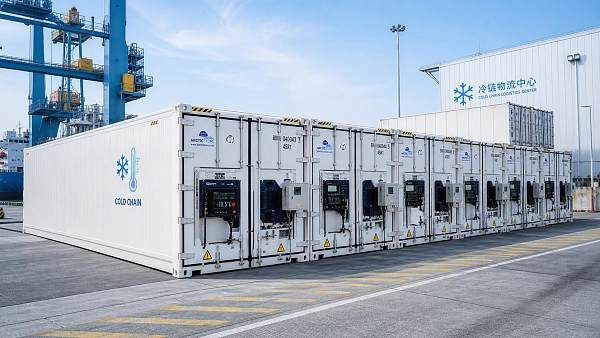
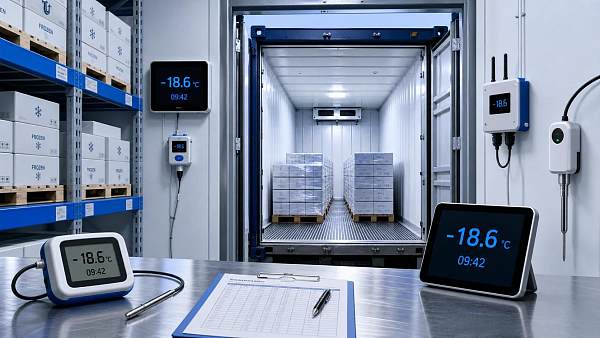
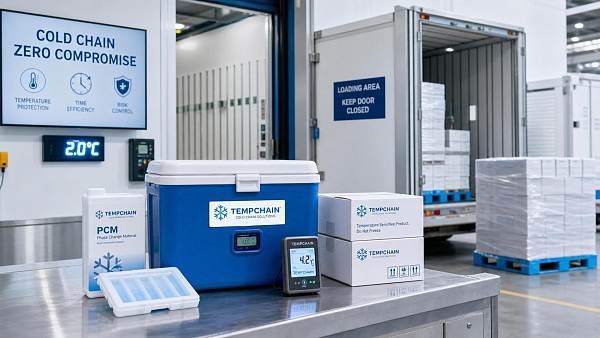
Temperature-controlled cargo adds monitoring, plug-in, inspection, and handling requirements. Here, intermodal logistics cost must be evaluated beside spoilage risk and compliance exposure.
Project cargo or heavy freight
Oversize or overweight moves often face route restrictions, escort requirements, special rail arrangements, and additional terminal handling. Small planning errors can produce disproportionate charges.
Sustainability-linked freight programs
Companies shifting toward zero-emission logistics may compare rail favorably against long-haul truck. Still, the full cost picture must include local electric drayage availability, charging access, and equipment utilization.
A practical framework for evaluating intermodal quotes
A useful quote review should ask what is included, what is conditional, and what operational assumptions sit behind the price.
- Separate base rail, port, drayage, chassis, and fuel components.
- Check free time terms for terminal storage, detention, and equipment use.
- Confirm whether appointment failures and waiting time are billable.
- Review seasonal surcharges and peak-period assumptions.
- Test the quote against likely exceptions, not only ideal movement.
- Compare transit reliability, because delay cost can outweigh rate savings.
This approach shifts the discussion from a narrow rate comparison to a total-cost view. That is usually where better approval decisions emerge.
What usually reduces cost without weakening service
Lower intermodal logistics cost rarely comes from one negotiation alone. It usually comes from cleaner coordination across booking, terminal readiness, equipment turns, and inland scheduling.
Better data also helps. When shipment milestones are visible, teams can spot recurring dwell, failed pickups, recurring accessorials, or lane-specific margin erosion.
Ports, rail operators, and logistics providers investing in automation, digital twins, yard planning, and equipment tracking are not only improving throughput. They are also reducing cost unpredictability.
That is one reason this topic sits naturally within the broader smart-logistics and port infrastructure conversation. Cost control increasingly depends on operational visibility, not only rate leverage.
Turning cost data into a better next decision
A strong intermodal review starts with lane-by-lane cost mapping. Identify which charges are stable, which are volatile, and which are triggered by process failure rather than market price.
From there, compare providers on transparency, service consistency, exception handling, and digital visibility. Those factors often determine whether projected intermodal logistics cost stays close to the invoice.
The next useful step is simple: build a cost checklist around rail, port, drayage, accessorials, and dwell risk before approving the lane. That creates a more reliable basis for forecasting, vendor selection, and margin protection.
Related News
 Reefer Monitoring Price Explained: Cost Drivers, Subscription Models, and ROI BenchmarksReefer monitoring price explained clearly: compare cost drivers, subscription models, hidden fees, and ROI benchmarks to choose a smarter cold-chain monitoring solution.
 How to Choose a Temperature Monitoring System for Cold Chain Compliance and Audit ReadinessTemperature monitoring system selection affects compliance, product quality, and audit outcomes. Learn how to compare alerts, calibration, data integrity, and reporting for cold chain readiness.
 Port Infrastructure Planning Checklist: What to Evaluate for Capacity, Yard Flow, and ExpansionFreight Capital & Infra Investment EconomicsPort infrastructure planning checklist covering real capacity, yard flow, equipment fit, connectivity, and expansion readiness—use it to spot hidden bottlenecks and make smarter investment decisions.
 Container Port Automation vs Conventional Operations: Which KPIs Matter Before You Invest?Port Digital Twin ArchitectContainer port automation vs conventional operations: discover the KPIs that truly shape ROI, throughput, yard efficiency, labor productivity, and resilience before you invest.
 Autonomous Delivery for Hospitals: Best Use Cases, Workflow Design, and Safety CheckpointsSpatial Computing & Machine Vision GeekAutonomous Delivery for hospitals: explore the best use cases, workflow design steps, and safety checkpoints to improve hospital logistics, traceability, and efficiency.
 Shipping Map Puts China Port AI at the CenterPort Digital Twin ArchitectShipping Map puts China Port AI at the center of global supply chain resilience. Learn how smarter port dispatch may reshape routing, transshipment, and delivery reliability.
 Red Sea Diversions Lift Rates as LNG Boxship Orders JumpZero-Carbon Powertrain FellowRed Sea diversions lift rates as LNG boxship orders jump, reshaping Asia-Europe freight, vessel specs, and delivery planning. See what shippers and buyers should do next.
 EU Starts Low-Value Parcel Tax Rule in JulyGlobal Routing & Distribution StrategistEU low-value parcel tax rule starts in July 2026: learn how IOSS VAT and AEO pre-declaration may impact customs timing, costs, and compliance for e-commerce exporters.
 Last Mile Routing Provider Comparison: SLA, API, Coverage, and Pricing FactorsSpatial Computing & Machine Vision GeekLast mile routing provider comparison guide: evaluate SLA performance, API depth, coverage, and pricing factors to reduce delivery risk, improve integration, and choose a partner that scales.
 Port Data Integration Problems: How to Connect TOS, Customs, Yard, and Carrier SystemsPort Digital Twin ArchitectPort data integration challenges can delay cargo, distort visibility, and raise costs. Learn how to connect TOS, customs, yard, and carrier systems with a practical framework.
 Automated Cranes in Singapore Ports: Key Specs, Throughput Metrics, and Site FitPort Digital Twin ArchitectAutomated cranes Singapore projects require more than bold specs. Explore key performance metrics, site-fit factors, and integration insights to choose smarter port automation solutions.
 How to Choose Temperature-Controlled Logistics Packaging for Transit Time and Product RiskTemperature-controlled logistics packaging selection starts with transit time and product risk. Learn how to compare options, reduce spoilage, control cost, and choose with confidence.