Ningbo-Zhoushan Port’s Green Transfer Share Reaches 18%




On 2026-03-31, the latest operating data tied to Ningbo-Zhoushan Port pointed to more than a throughput update: it highlighted a practical shift in how green transfer capacity is entering mainstream port operations and beginning to influence compliance-sensitive trade decisions. For cargo owners, exporters, procurement teams, and supply chain service providers, the key issue is not only cargo volume growth, but also how a higher share of hydrogen-fueled, battery-swap inland trucks and short-haul new-energy vessels may affect carbon footprint disclosure, ESG supply chain audits, and the baseline used to calculate Green Shipping Congestion Fees, or GSCF.
What the first-quarter data confirms
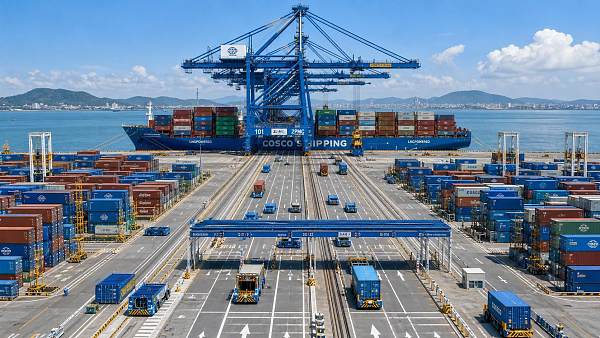
According to the 2026 First-Quarter Global Port Development Report released by the Shanghai International Shipping Research Center on 2026-06-12, Ningbo-Zhoushan Port remained the world’s largest port by cargo throughput in the first quarter, with a year-on-year increase of 4.1%.
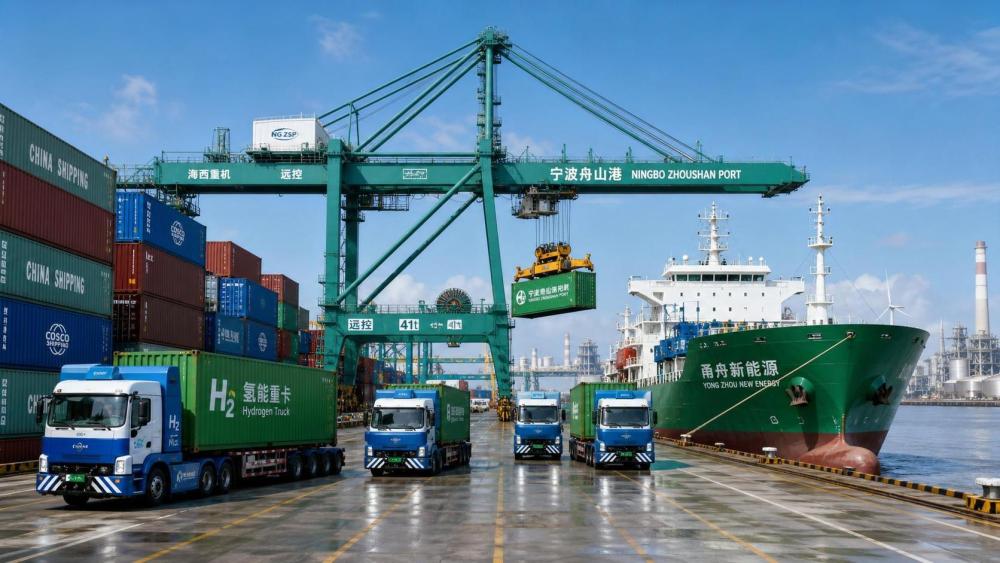
The same report states that 18% of operations involving inland container transfer trucks and short-haul feeder vessels at the port were handled by equipment using hydrogen fuel or battery-swap systems. This was 9 percentage points higher than in the same period of 2025.
The report further indicates that the data reflects faster substitution of green transfer infrastructure at major Chinese hub ports and may influence how international cargo owners estimate carbon footprint disclosure, ESG supply chain audit parameters, and GSCF-related costs.
Why this matters across trade and supply-chain workflows
Carbon disclosure moves closer to operational evidence
From an industry perspective, cargo owners and direct trading companies may be affected because port-side transfer activity is increasingly relevant to shipment-level environmental reporting. Where buyers or internal compliance teams request more detailed logistics emissions evidence, attention may shift toward how port handling and short-distance transfer are described in supporting documents, supplier questionnaires, and sustainability reporting files.
Procurement and vendor review may become more detailed
Procurement teams and manufacturers may also feel the impact in supplier assessment processes. Analysis shows that when green transfer infrastructure becomes more visible in hub-port operations, buyers may pay closer attention to whether logistics providers can explain the emissions profile of transfer links, the basis of any GSCF-related charge, and the consistency of supporting compliance records used in ESG reviews.
Supply-chain service providers face documentation pressure
For freight forwarders, port logistics operators, and other supply-chain service providers, the likely pressure point is documentation and communication rather than an immediate new rule in itself. What deserves closer attention is whether clients begin asking for clearer descriptions of transfer methods, energy-use assumptions, and charge allocation logic in booking terms, quotations, audit responses, and delivery records.
What companies should monitor now
Check how carbon-related statements are supported
Analysis shows that companies involved in export, sourcing, or logistics purchasing should review how they support statements on transport emissions and port-side handling in customer-facing and audit-facing materials. If carbon footprint disclosure is linked to port transfer assumptions, internal files should remain consistent across commercial offers, compliance responses, and supply-chain reporting.
Watch audit language and buyer questionnaires
Observably, a practical area to monitor is ESG audit wording. Where buyers, certification-related service providers, or downstream partners ask for more detail on logistics emissions, companies may need to align operational explanations, supplier declarations, and traceability materials more carefully, even if no new formal execution rule has yet been specified in the input information.
Review how GSCF-related costs are explained
For trading companies and logistics coordinators, another point of attention is the calculation basis for green shipping surcharges or related cost discussions. The available information does not establish a new fee rule, but it does suggest that the benchmark assumptions behind GSCF discussions may be changing. Companies should therefore watch whether counterparties update commercial terms, tender documents, or cost breakdown requests.
Track delivery planning and supplier readiness
Where delivery schedules depend on major hub-port routing, companies should also monitor whether logistics partners can provide stable operational information on green transfer links. This is not yet a confirmed execution change, but it may become relevant in procurement reviews, supplier qualification updates, and service-level discussions tied to sustainability commitments.
How to read the signal at this stage
Analysis shows that this development is better understood as an execution signal than as a stand-alone new regulation. The reported increase in new-energy transfer activity does not, by itself, create a new legal obligation in the input information. However, it does indicate that green port operations are becoming more measurable and therefore more likely to be referenced in carbon disclosure, ESG audit practice, and trade-related cost discussions.
It is more appropriate to understand this as an area where market practice may begin moving ahead of formal rule text. That is why ongoing attention should focus on later official wording, audit criteria, tender specifications, and client-side compliance requests rather than assuming an immediate uniform market standard.
A practical reading for the market
In practical terms, the Ningbo-Zhoushan Port update matters because it connects port operations with compliance-sensitive trade metrics. The combination of throughput growth and a higher share of new-energy transfer activity suggests that green logistics capacity is no longer a marginal reference point in hub-port discussion.
At the current stage, the most neutral reading is that the market has received a credible operating signal with possible implications for disclosure, audit, and surcharge calculations, but the detailed execution path still requires observation. For companies exposed to export, sourcing, or logistics compliance, the immediate task is to strengthen documentation readiness and watch for changes in counterparties’ reporting and procurement expectations.
Basis of this article and points requiring follow-up
This article is generated from the user-provided news title, event date, and event summary. It is based on the reported first-quarter performance of Ningbo-Zhoushan Port and the stated increase in the share of hydrogen-fueled and battery-swap transfer operations, as referenced in the Shanghai International Shipping Research Center report released on 2026-06-12.
For this type of event, relevant source categories typically include official announcements, regulatory releases, customs or trade authority updates, industry association publications, standard-setting documents, and reporting by established professional media. A specific official source link was not provided in the input, so further verification remains necessary.
What still needs continued monitoring includes any later policy detail, audit interpretation, certification-related execution language, tender document revisions, market feedback, and the way companies actually implement carbon disclosure and GSCF-related cost explanations in business practice.
Related News
 Reefer Monitoring Price Explained: Cost Drivers, Subscription Models, and ROI BenchmarksReefer monitoring price explained clearly: compare cost drivers, subscription models, hidden fees, and ROI benchmarks to choose a smarter cold-chain monitoring solution.
 How to Choose a Temperature Monitoring System for Cold Chain Compliance and Audit ReadinessTemperature monitoring system selection affects compliance, product quality, and audit outcomes. Learn how to compare alerts, calibration, data integrity, and reporting for cold chain readiness.
 Port Infrastructure Planning Checklist: What to Evaluate for Capacity, Yard Flow, and ExpansionFreight Capital & Infra Investment EconomicsPort infrastructure planning checklist covering real capacity, yard flow, equipment fit, connectivity, and expansion readiness—use it to spot hidden bottlenecks and make smarter investment decisions.
 Container Port Automation vs Conventional Operations: Which KPIs Matter Before You Invest?Port Digital Twin ArchitectContainer port automation vs conventional operations: discover the KPIs that truly shape ROI, throughput, yard efficiency, labor productivity, and resilience before you invest.
 Autonomous Delivery for Hospitals: Best Use Cases, Workflow Design, and Safety CheckpointsSpatial Computing & Machine Vision GeekAutonomous Delivery for hospitals: explore the best use cases, workflow design steps, and safety checkpoints to improve hospital logistics, traceability, and efficiency.
 Shipping Map Puts China Port AI at the CenterPort Digital Twin ArchitectShipping Map puts China Port AI at the center of global supply chain resilience. Learn how smarter port dispatch may reshape routing, transshipment, and delivery reliability.
 Red Sea Diversions Lift Rates as LNG Boxship Orders JumpZero-Carbon Powertrain FellowRed Sea diversions lift rates as LNG boxship orders jump, reshaping Asia-Europe freight, vessel specs, and delivery planning. See what shippers and buyers should do next.
 EU Starts Low-Value Parcel Tax Rule in JulyGlobal Routing & Distribution StrategistEU low-value parcel tax rule starts in July 2026: learn how IOSS VAT and AEO pre-declaration may impact customs timing, costs, and compliance for e-commerce exporters.
 Last Mile Routing Provider Comparison: SLA, API, Coverage, and Pricing FactorsSpatial Computing & Machine Vision GeekLast mile routing provider comparison guide: evaluate SLA performance, API depth, coverage, and pricing factors to reduce delivery risk, improve integration, and choose a partner that scales.
 Port Data Integration Problems: How to Connect TOS, Customs, Yard, and Carrier SystemsPort Digital Twin ArchitectPort data integration challenges can delay cargo, distort visibility, and raise costs. Learn how to connect TOS, customs, yard, and carrier systems with a practical framework.
 Automated Cranes in Singapore Ports: Key Specs, Throughput Metrics, and Site FitPort Digital Twin ArchitectAutomated cranes Singapore projects require more than bold specs. Explore key performance metrics, site-fit factors, and integration insights to choose smarter port automation solutions.
 How to Choose Temperature-Controlled Logistics Packaging for Transit Time and Product RiskTemperature-controlled logistics packaging selection starts with transit time and product risk. Learn how to compare options, reduce spoilage, control cost, and choose with confidence.