Hormuz Transit Resumes With 60-Day Fee Waiver




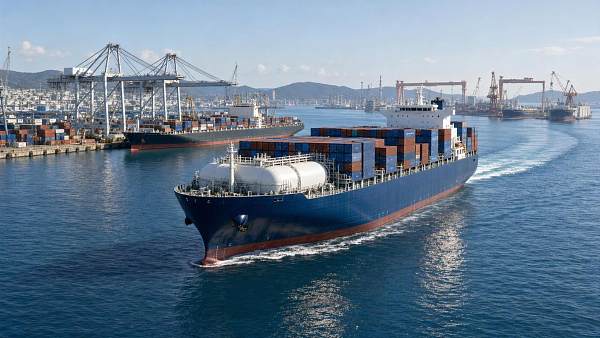
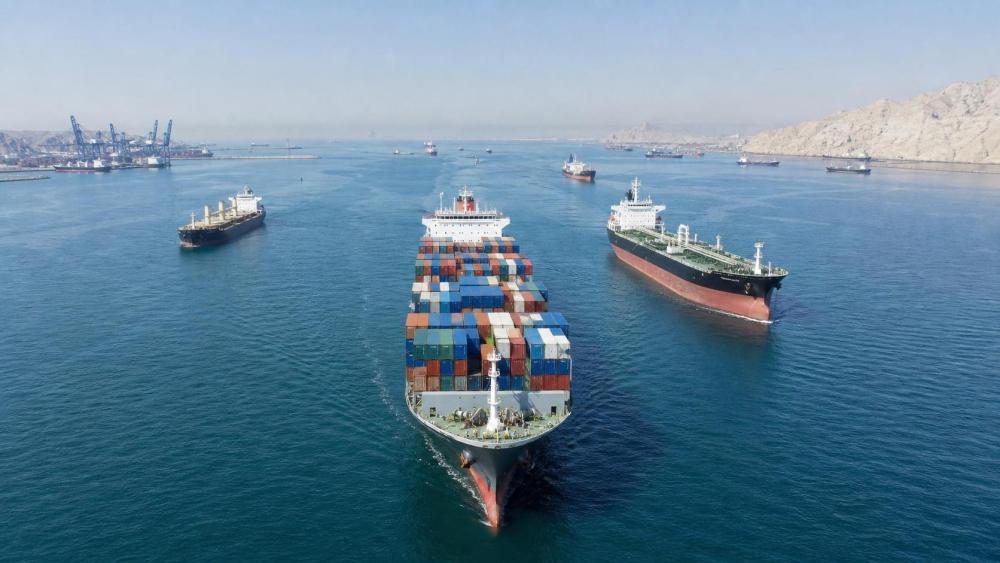
On June 18, 2026, the United States and Iran signed a memorandum of understanding that was followed by the lifting of the maritime traffic blockade affecting Iranian ports and coastal waters. With commercial vessel passage through the Strait of Hormuz fully restored from June 16 and application fees waived for the next 60 days, the development merits close attention from shippers, exporters, importers, carriers, and supply chain service providers because this route handles about 20% of global oil transport and can directly affect sailing stability, fuel cost expectations, marine insurance considerations, and delivery planning across Asia-Europe trade flows.
What Has Been Confirmed So Far
The confirmed information available at this stage is limited but commercially significant. On June 18, 2026, the United States and Iran signed a memorandum of understanding. The U.S. military then lifted the maritime traffic blockade on Iranian ports and coastal waters. Separately, commercial shipping through the Strait of Hormuz resumed in full from June 16, and passage application fees will not be charged for the following 60 days.
The Strait of Hormuz is described in the provided information as carrying around 20% of global oil shipments. The same information also indicates that the reopening is expected to ease pressure caused by Red Sea detours, improve schedule stability for container shipping on Asia-Europe routes, and change expectations around fuel costs. It also has direct relevance for ocean transit times, insurance pricing, and supply chain resilience assessments for foreign trade businesses.
Why Different Supply Chain Roles Are Watching This
Exporters and importers are watching transit reliability
From an industry perspective, trading companies may be affected first through shipping lead times and booking predictability. If vessel movement through Hormuz remains smooth in practice, the most immediate area to monitor is whether delivery windows become easier to plan and whether customer communication around shipment timing can be tightened.
Manufacturers and procurement teams are watching cost assumptions
Analysis shows that companies buying raw materials or planning production schedules are likely to focus on whether improved route access changes fuel cost expectations and shipping rhythm. The practical issue is not only freight timing, but also whether inbound material planning, replenishment cycles, and contract delivery assumptions need to be updated during the 60-day fee-free period.
Logistics providers are watching route execution and insurance signals
For freight forwarders, carriers, and related service providers, the impact is likely to appear in route planning, customer quotations, and risk communication. What deserves closer attention is whether restored passage translates into operational normalization in bookings and whether insurance-related assessments begin to reflect lower disruption expectations.
Downstream buyers are watching supply chain resilience
For downstream customers and procurement-side decision makers, this development matters because it may influence supplier promises on lead times and shipment certainty. Observably, the key issue is not just whether the waterway is open, but whether suppliers can demonstrate stable execution under the updated routing environment.
What Companies Should Track Next
Separate the policy signal from operational reality
Analysis shows that the reopening and the 60-day fee waiver are important signals, but businesses still need to compare official wording with actual vessel movement, carrier acceptance, and shipment handling on the ground. A formal reopening does not automatically mean every operational variable has normalized at the same speed.
Recheck delivery promises and customer timelines
Companies with active orders should review whether previous delay buffers, rerouting assumptions, or quoted transit windows still match current conditions. This is especially relevant for exporters and importers managing customer commitments tied to ocean freight schedules.
Review insurance and logistics cost communication
Because the provided information points directly to possible changes in insurance rates and fuel cost expectations, businesses should closely follow how logistics providers, insurers, and customers discuss revised cost assumptions. The main point is to avoid treating expectations as settled outcomes before they are reflected in actual business terms.
Keep documentation and contingency planning aligned
What deserves closer attention is whether shipping documents, route instructions, internal lead-time assumptions, and contingency plans remain aligned during this 60-day window. For many companies, this is less about rewriting strategy immediately and more about keeping execution discipline tight while conditions are still being tested.
How This Development Is Best Understood Right Now
Observably, this is a meaningful operational signal for shipping and trade, but it is still more appropriate to understand it as a development that needs continued verification rather than a fully settled long-term outcome. The confirmed facts point to restored access and temporary fee relief, while the commercial implications depend on how consistently carriers, insurers, and trading parties respond in practice.
Analysis also suggests that the market relevance comes from the Strait of Hormuz's weight in global oil transport and from the possibility of easing pressure linked to Red Sea detours. Even so, businesses should distinguish between improved expectations and realized supply chain performance.
What This Means for Industry Planning
At this stage, the reopening of commercial transit through the Strait of Hormuz and the 60-day waiver on passage application fees should be read as a near-term operational change with potentially broader implications for shipping efficiency, cost expectations, and delivery planning. For industry participants, the practical value of this update lies in how quickly it feeds into schedules, insurance discussions, and customer commitments.
It is more appropriate to understand this as a closely watched shipping and trade signal: important enough to affect planning now, but still requiring ongoing observation before companies treat it as a fully stabilized long-term condition.
Basis of This Article
This article is based on the user-provided news title, event date, and event summary related to the memorandum signed by the United States and Iran, the resumption of commercial shipping through the Strait of Hormuz, and the 60-day fee waiver. No specific official source link was included in the provided input, so the exact official link remains unavailable here and should continue to be verified.
For developments of this kind, commonly relevant source categories may include official statements, company announcements, industry association updates, authoritative media reporting, and related shipping or standards documentation. The main areas for continued follow-up are any further official wording, implementation details affecting vessel passage, and market-side responses in scheduling, fuel cost expectations, and insurance assessments.
Related News
 Reefer Monitoring Price Explained: Cost Drivers, Subscription Models, and ROI BenchmarksReefer monitoring price explained clearly: compare cost drivers, subscription models, hidden fees, and ROI benchmarks to choose a smarter cold-chain monitoring solution.
 How to Choose a Temperature Monitoring System for Cold Chain Compliance and Audit ReadinessTemperature monitoring system selection affects compliance, product quality, and audit outcomes. Learn how to compare alerts, calibration, data integrity, and reporting for cold chain readiness.
 Port Infrastructure Planning Checklist: What to Evaluate for Capacity, Yard Flow, and ExpansionFreight Capital & Infra Investment EconomicsPort infrastructure planning checklist covering real capacity, yard flow, equipment fit, connectivity, and expansion readiness—use it to spot hidden bottlenecks and make smarter investment decisions.
 Container Port Automation vs Conventional Operations: Which KPIs Matter Before You Invest?Port Digital Twin ArchitectContainer port automation vs conventional operations: discover the KPIs that truly shape ROI, throughput, yard efficiency, labor productivity, and resilience before you invest.
 Autonomous Delivery for Hospitals: Best Use Cases, Workflow Design, and Safety CheckpointsSpatial Computing & Machine Vision GeekAutonomous Delivery for hospitals: explore the best use cases, workflow design steps, and safety checkpoints to improve hospital logistics, traceability, and efficiency.
 Shipping Map Puts China Port AI at the CenterPort Digital Twin ArchitectShipping Map puts China Port AI at the center of global supply chain resilience. Learn how smarter port dispatch may reshape routing, transshipment, and delivery reliability.
 Red Sea Diversions Lift Rates as LNG Boxship Orders JumpZero-Carbon Powertrain FellowRed Sea diversions lift rates as LNG boxship orders jump, reshaping Asia-Europe freight, vessel specs, and delivery planning. See what shippers and buyers should do next.
 EU Starts Low-Value Parcel Tax Rule in JulyGlobal Routing & Distribution StrategistEU low-value parcel tax rule starts in July 2026: learn how IOSS VAT and AEO pre-declaration may impact customs timing, costs, and compliance for e-commerce exporters.
 Last Mile Routing Provider Comparison: SLA, API, Coverage, and Pricing FactorsSpatial Computing & Machine Vision GeekLast mile routing provider comparison guide: evaluate SLA performance, API depth, coverage, and pricing factors to reduce delivery risk, improve integration, and choose a partner that scales.
 Port Data Integration Problems: How to Connect TOS, Customs, Yard, and Carrier SystemsPort Digital Twin ArchitectPort data integration challenges can delay cargo, distort visibility, and raise costs. Learn how to connect TOS, customs, yard, and carrier systems with a practical framework.
 Automated Cranes in Singapore Ports: Key Specs, Throughput Metrics, and Site FitPort Digital Twin ArchitectAutomated cranes Singapore projects require more than bold specs. Explore key performance metrics, site-fit factors, and integration insights to choose smarter port automation solutions.
 How to Choose Temperature-Controlled Logistics Packaging for Transit Time and Product RiskTemperature-controlled logistics packaging selection starts with transit time and product risk. Learn how to compare options, reduce spoilage, control cost, and choose with confidence.