What Drives Refrigerated Warehousing Cost? Key Pricing Factors by Temperature and Volume




Why does refrigerated warehousing cost vary so much from one quote to another?
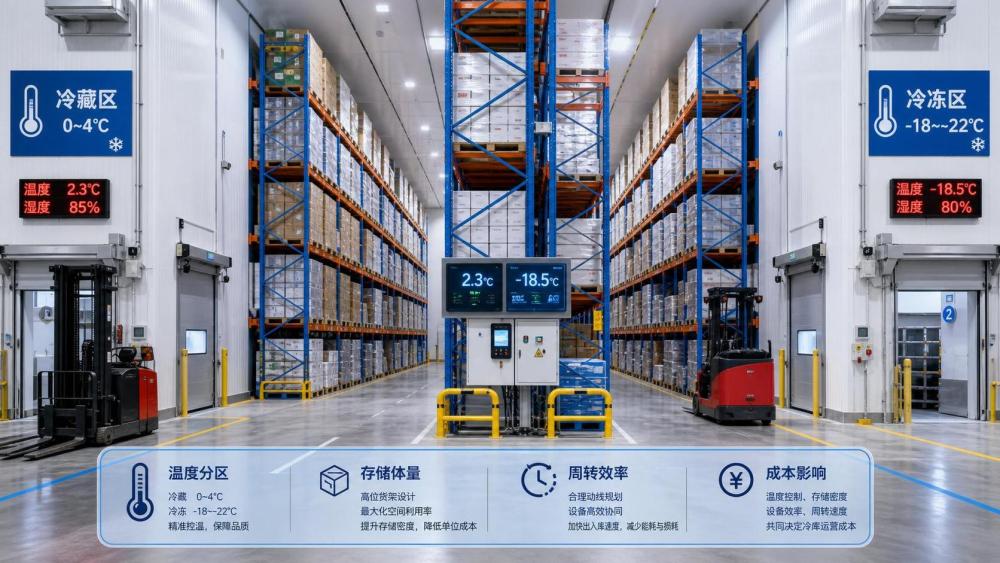
Refrigerated warehousing cost rarely moves for one reason alone. It changes when temperature, volume, handling intensity, and storage duration shift together.
That is why two providers can quote very different rates for what appears to be the same pallet count.
In practical cold-chain operations, the rate is not only about space. It is also about energy load, risk control, labor, monitoring, and compliance.
A chilled food program at 2°C to 8°C will not be priced like frozen meat at -18°C, and neither behaves like deep-frozen pharmaceutical inventory.
More common budgeting mistakes happen when a quote is compared by pallet only, while ignoring blast chilling, order picking, customs delays, or weekend dispatch.
For firms tracking logistics infrastructure through G-WLP, this is a familiar pattern. Physical cold rooms and digital control systems both shape real operating cost.
So the useful question is not simply, “What is the warehouse rate?” It is, “What operating conditions are built into that refrigerated warehousing cost?”
How much does temperature band actually influence refrigerated warehousing cost?
Temperature band is one of the strongest pricing drivers because lower setpoints require more energy, tighter control, and often stricter alarm response procedures.
Chilled storage usually carries lower energy intensity than frozen storage. Deep-frozen environments add insulation demands, defrost management, and more demanding equipment cycles.
That affects the base refrigerated warehousing cost before any value-added service is added.
The cost difference becomes wider when product sensitivity is high. Pharmaceuticals, seafood, specialty ingredients, and biologics often need tighter variance control.
In these cases, a facility may charge more for validated monitoring, data logging, calibration records, and excursion reporting.
A simple comparison table helps separate normal cold storage from premium controlled operations.
If a quotation does not clearly define the temperature band, the refrigerated warehousing cost is not yet comparable.
Is storage volume the main lever, or does pallet flow matter more?
Volume matters, but throughput pattern often matters just as much. A stable block of inventory is easier to price than fast-moving pallets.
This is where refrigerated warehousing cost can surprise budget owners. The headline storage rate may look reasonable, while movement charges drive the total upward.
A site holding 500 pallets for 45 days with limited touches may cost less than 250 pallets turned every week.
Why? Because receiving, put-away, lot control, repacking, picking, and dispatch all require labor inside temperature-controlled space.
Frequent door opening also raises energy consumption. That means the same cubic volume can produce a very different operating profile.
In automated facilities, pallet shuttle systems, WMS integration, and reefer monitoring can reduce waste, but they may also appear in the service rate.
That is not necessarily bad. It may lower spoilage, improve traceability, and reduce detention risk across ports, inland depots, and cross-border distribution points.
- Ask for storage charges and handling charges as separate lines.
- Check whether rates are per pallet, per cubic meter, or per case movement.
- Confirm minimum monthly volume commitments.
- Review seasonal surcharges during peak import or holiday periods.
A quote becomes more reliable when volume and flow are evaluated together, not in isolation.
Which hidden charges usually inflate refrigerated warehousing cost?
The biggest problem is not always the base rate. It is the collection of smaller charges that only appear after operations begin.
These add-ons often explain why final refrigerated warehousing cost runs above the approved budget.
Some are legitimate service costs. Others reflect poor scope definition at the quoting stage.
Charges worth checking before approval
- Inbound inspection, temperature verification, and damage reporting.
- Pallet exchange, relabeling, repalletizing, and carton sorting.
- Order picking by case, layer, or mixed SKU.
- Data logging, compliance reporting, and audit support.
- After-hours loading, weekend dispatch, and emergency access.
- Power backup allocation or reefer plug-in support during transition.
A second issue is dwell time creep. Goods delayed by customs, documentation gaps, or buyer schedule changes can remain in cold storage longer than planned.
That is especially relevant in trade lanes linked to ports, inland container depots, and overseas fulfillment hubs.
G-WLP often tracks how digital customs systems, port congestion, and inland transfer constraints influence cold-chain timing. Those delays quickly become storage cost.
When comparing suppliers, what makes one cold warehouse quote more credible than another?
The most credible quote explains operating assumptions clearly. A low number without operating detail is usually not the safer number.
A strong quotation for refrigerated warehousing cost should make the pricing logic visible, especially where compliance and handling complexity are involved.
A supplier with stronger automation, better WMS integration, and clearer audit trails may not offer the cheapest refrigerated warehousing cost on paper.
However, that quote can still be the lower-risk option when spoilage, claims, and delay exposure are considered.
What budgeting mistakes tend to distort refrigerated warehousing cost forecasts?
One frequent mistake is using an average rate from ambient warehousing and adding a rough cold premium. That rarely reflects real cold-chain cost behavior.
Another is assuming inventory stays still. In reality, volume changes by season, promotions, import timing, and product shelf-life pressure.
A third mistake is ignoring network context. Port dwell, drayage timing, reefer handoff, and final-mile delivery windows can all increase refrigerated warehousing cost.
This matters in integrated logistics networks where cold rooms connect with terminals, overseas warehouses, customs clearance, and linehaul capacity.
More accurate forecasting usually comes from building a scenario model rather than relying on one static rate.
- Model base storage by temperature band.
- Add pallet movement assumptions by month.
- Include likely dwell extensions from trade or customs delay.
- Separate standard operations from exception handling.
- Stress-test the quote against peak season volume.
That approach creates a more realistic view of refrigerated warehousing cost across the contract period, not just the first month.
So what is the smartest next step before approving a cold storage budget?
Start by defining the true operating profile, not just the number of pallets. Temperature range, dwell time, handling frequency, and compliance scope should be written first.
Then compare refrigerated warehousing cost using identical assumptions across all bidders. That removes much of the confusion caused by uneven quote structures.
It also helps to review upstream and downstream constraints. Port delays, cross-border paperwork, reefer transfer time, and outbound service windows all affect storage cost.
This is where market intelligence matters. Platforms such as G-WLP are useful because cold storage pricing does not exist alone; it sits inside a wider logistics system.
In short, refrigerated warehousing cost is best managed when temperature, volume, flow, and risk are assessed together.
Before final approval, build a side-by-side cost sheet, list every non-standard charge, and test one peak scenario. That usually reveals the most reliable option.
Related News
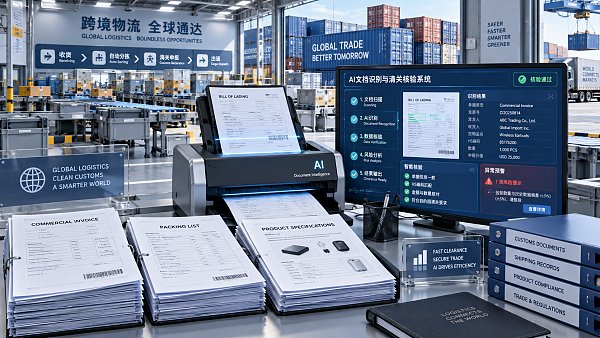
 Where AI Delivers the Biggest Gains in Customs Clearance OperationsGlobal Routing & Distribution StrategistWhat are the benefits of integrating AI into customs clearance? Discover how AI reduces delays, improves data accuracy, prioritizes risks, and streamlines exceptions.
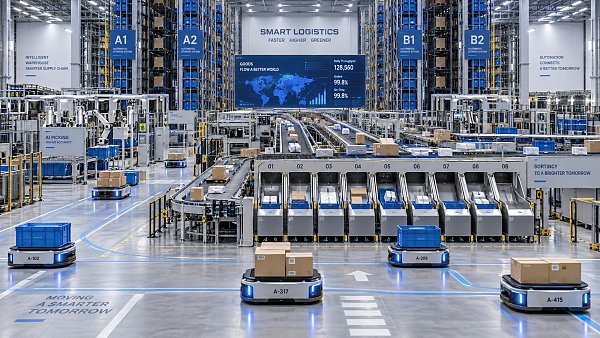
 Where Robotics and Automation Deliver the Fastest Warehouse Throughput GainsGlobal Routing & Distribution StrategistRobotics and automation in logistics can unlock faster warehouse throughput. Discover where AMRs, goods-to-person systems, sortation, and smarter flow design deliver the biggest gains.
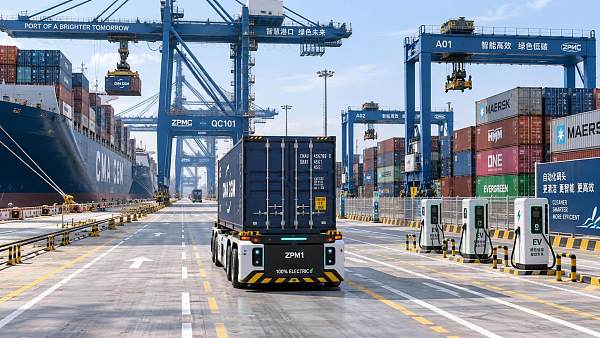
 Where Autonomous Freight Vehicles Deliver the Most Value in Port OperationsPort Digital Twin ArchitectAutonomous freight vehicles ports: discover where automation delivers the highest value in quay-to-yard, rail, and logistics workflows—improving throughput, safety, and reliability.
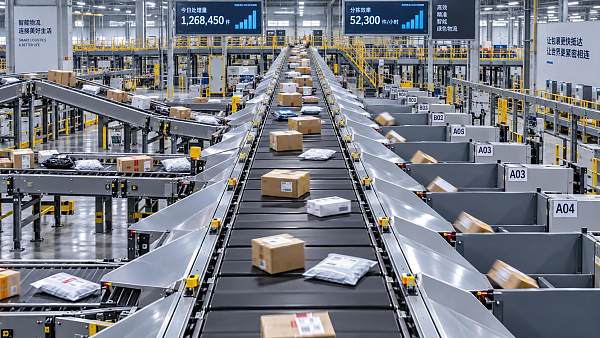
 How to Size High-Rate Sortation Capacity for Peak Parcel VolumesGlobal Routing & Distribution StrategistHigh-rate sortation capacity planning: learn how to size peak parcel throughput, reduce recirculation, protect carrier cut-offs, and build a resilient operation.
 How to Calculate Rail-Sea Intermodal Logistics Costs Before Choosing a RouteZero-Carbon Powertrain FellowRail-sea intermodal logistics cost: learn to compare all-in freight, rail, port, customs, and risk costs before choosing a route for smarter sourcing decisions.
 What Should Ports Evaluate Before Selecting a Digital Port Platform?Port Digital Twin ArchitectDigital port platform selection guide: evaluate integration, data governance, automation readiness, cybersecurity, and pilots to choose a resilient solution that improves port operations.
 How to Compare Rail-Sea Intermodal Providers for Port-to-Inland Freight ReliabilityZero-Carbon Powertrain FellowCompare rail-sea intermodal providers with a practical guide to lane reliability, capacity, visibility, costs, and contingency planning for resilient port-to-inland freight.
 How to Select Autonomous Mobile Robots for Subzero Cold Storage OperationsPort Digital Twin ArchitectAutonomous mobile robots cold storage teams can rely on: evaluate batteries, navigation, safety, charging, and service for proven subzero performance.
 How Real-Time Route Optimization Reduces Delays Across Multi-Stop Freight OperationsChief Logistics AI & Fluid Dynamics ScientistReal time route optimization helps multi-stop freight teams cut delays, protect delivery windows, and respond faster to port, warehouse, and traffic disruptions.
 How to Build a Logistics Tender Workflow That Improves Bid Quality and ControlFreight Capital & Infra Investment EconomicsLogistics tender workflow guide: improve bid quality, compare total costs, assess suppliers, and strengthen contract control for better logistics outcomes.
 How Should UAE Businesses Evaluate Drone Logistics Systems for Last-Mile Delivery?Spatial Computing & Machine Vision GeekDrone logistics systems UAE: learn how to evaluate regulatory readiness, route safety, integration, reliability, and total cost for smarter last-mile delivery.
 How to Evaluate Port Automation Systems for Container Terminal Efficiency and ROIPort Digital Twin ArchitectPort Automation Systems for terminals: evaluate efficiency, TOS integration, supplier risk, and ROI to choose scalable solutions that improve throughput and resilience.