Cold Room Supplier Selection Guide: Certifications, Insulation Specs, and After-Sales Support




Selecting a cold room supplier is rarely a simple equipment decision. In cold-chain logistics, the supplier influences compliance, operating cost, uptime, and cargo integrity for years after installation.
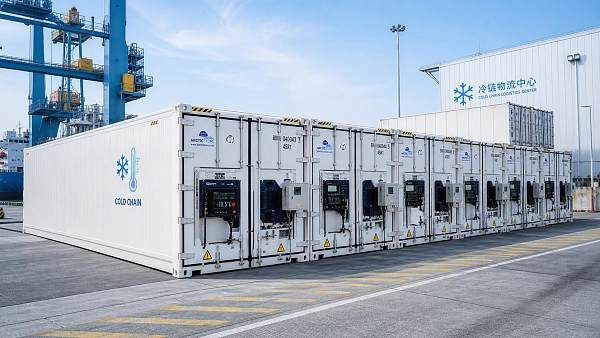
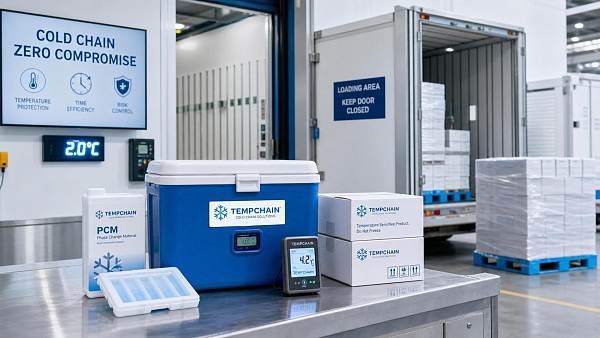
That matters even more across today’s integrated trade environment, where cold rooms support food distribution, pharmaceutical storage, reefer staging, cross-border fulfillment, and temperature-controlled warehousing linked to ports and inland logistics hubs.
For organizations comparing vendors, price is only one layer. Certifications, insulation design, refrigeration matching, digital monitoring, and after-sales response often reveal the real difference between a reliable project and a costly one.
Why supplier selection now carries more operational risk
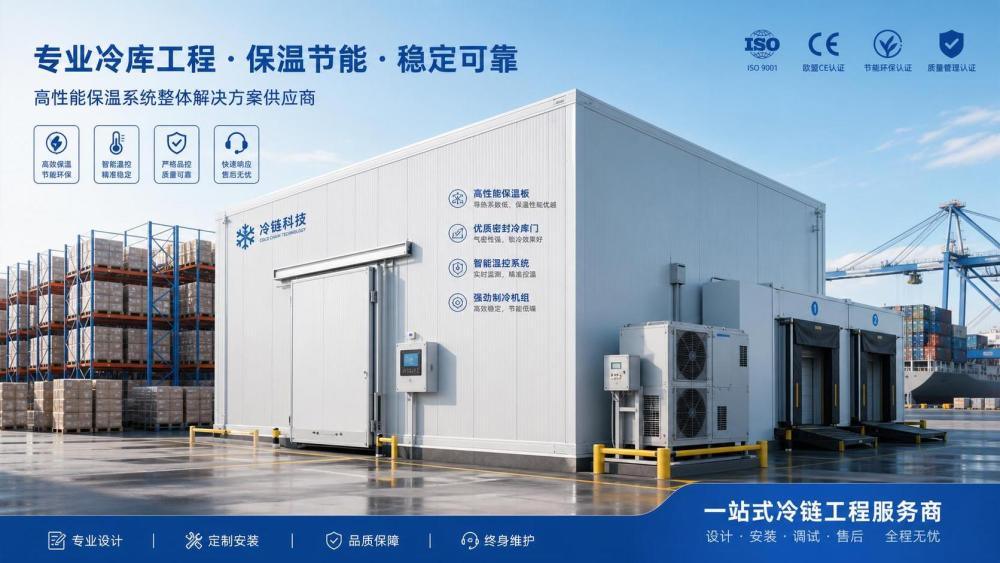
Cold rooms are no longer isolated storage boxes. They sit inside broader logistics systems shaped by automation, customs timing, reefer handling, energy management, and stricter product traceability requirements.
On platforms such as G-WLP, cold-chain infrastructure is increasingly evaluated beside warehouse automation, smart logistics software, and intermodal equipment. That reflects how real projects are planned today.
A weak cold room supplier can create hidden failures. Panels may underperform, doors may leak, control systems may be hard to integrate, and maintenance delays may expose sensitive cargo to temperature excursions.
In practical terms, supplier choice affects:
- regulatory readiness for food, pharma, and export storage;
- electricity use over the full operating cycle;
- temperature stability during loading peaks;
- service continuity at ports, warehouses, and distribution centers;
- the speed of repair when compressors, sensors, or doors fail.
What a capable cold room supplier should actually provide
A strong cold room supplier usually delivers more than insulated panels and condensing units. The better benchmark is system responsibility across design, manufacturing, installation support, commissioning, and lifecycle service.
This becomes important when the application is complex, such as multi-temperature storage, pharmaceutical compliance, frozen export consolidation, or urban fulfillment linked to last-mile delivery networks.
Core scope to verify
- Thermal envelope design, including panels, floor insulation, joints, and vapor barriers.
- Refrigeration system sizing based on product load, door cycles, ambient climate, and pull-down expectations.
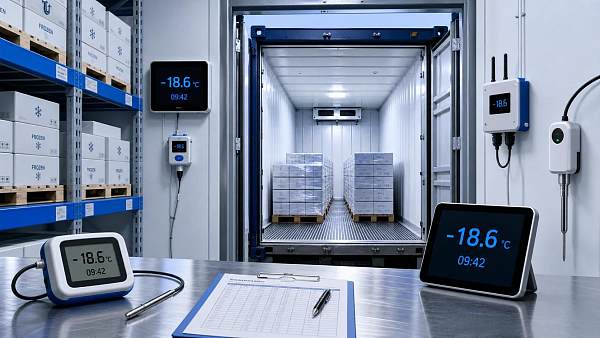
- Control systems, alarms, data logging, and remote monitoring compatibility.
- Installation guidance, validation documents, and commissioning procedures.
- Spare parts access and service coverage after handover.
If a vendor focuses only on initial supply, project risk shifts back to the buyer. That gap often appears later, when troubleshooting starts and no single party owns the full performance outcome.
Certifications are not paperwork alone
Certifications help test whether a cold room supplier can support compliance in real operating conditions. They also reduce uncertainty during tender review, investor due diligence, and project acceptance.
The exact mix depends on region and product type, but some signals are widely useful.
The key is context. A certificate alone does not prove that a supplier understands blast freezing, vaccine storage, or high-turnover export handling. Supporting documentation and project references matter just as much.
Insulation specs deserve closer attention than many tenders allow
Insulation is often treated as a simple thickness comparison. In reality, it is one of the most important technical filters when reviewing a cold room supplier.
Panel thickness matters, but not by itself. Thermal conductivity, core density, joint design, vapor sealing, floor treatment, and door integrity all influence real performance.
Questions worth asking during evaluation
- What is the panel core material, and what certified thermal conductivity value supports it?
- How does the supplier prevent thermal bridging at joints, corners, and door frames?
- What floor insulation specification is proposed for forklift traffic or pallet racking loads?
- How is condensation controlled in humid coastal or tropical environments?
- What is the expected energy impact under the site’s real ambient conditions?
This is especially relevant near ports and logistics gateways, where frequent door openings, variable ambient temperatures, and rapid cargo movement can expose weak insulation design very quickly.
The best cold room supplier will explain not only the specification sheet, but also the performance logic behind it.
After-sales support is part of the original purchase decision
Many cold room projects look similar at handover. The real differences often appear six months later, when calibration drifts, alarms trigger, doors misalign, or a compressor fails during peak season.
That is why after-sales capability should be scored before contract award, not discussed after commissioning.
Support elements that change project value
- Response time commitments for urgent failures and temperature excursions.
- Local or regional technician coverage.
- Availability of critical spare parts.
- Remote diagnostics and alarm support.
- Preventive maintenance schedules and documented service records.
- Training for operators on controls, hygiene, and routine checks.
For facilities handling pharmaceuticals, seafood exports, frozen foods, or cross-border e-commerce perishables, delayed support can mean direct product loss, compliance exposure, and customer claims.
How evaluation changes by application scenario
Not every project should rank suppliers the same way. A cold room supplier suited to a small retail hub may not fit a port-based reefer transfer point or a pharma distribution center.
This is where broader logistics intelligence becomes useful. G-WLP’s perspective on infrastructure, automation, compliance, and trade flows helps place cold room procurement inside a larger operational context.
A practical shortlisting approach
A disciplined shortlist usually reveals more than a long vendor list. Instead of comparing only quotations, compare assumptions, exclusions, and proof of delivery.
Useful review steps
- Define the temperature range, product type, throughput pattern, and site climate first.
- Ask each cold room supplier to state insulation values, refrigeration sizing logic, and control architecture clearly.
- Request project references that match the intended application, not just general cold storage experience.
- Score certifications and test reports alongside service network strength.
- Review warranty terms, spare parts lead times, and commissioning responsibilities in writing.
If two proposals look close on capital cost, lifecycle questions usually separate them. Energy demand, service response, and downtime exposure often outweigh a lower initial quote.
Where to focus next
The best decision framework for a cold room supplier combines technical compliance, operating realism, and service accountability. That means checking whether the supplier can support the full cargo journey, not only the installation date.
A useful next step is to build a comparison sheet around certifications, insulation performance, controls, references, and after-sales terms. Once those items are visible side by side, supplier quality becomes easier to judge with confidence.
In cold-chain projects connected to ports, logistics parks, fulfillment networks, or regulated storage, a better supplier choice usually starts with sharper questions rather than faster purchasing.
Related News
 Reefer Monitoring Price Explained: Cost Drivers, Subscription Models, and ROI BenchmarksReefer monitoring price explained clearly: compare cost drivers, subscription models, hidden fees, and ROI benchmarks to choose a smarter cold-chain monitoring solution.
 How to Choose a Temperature Monitoring System for Cold Chain Compliance and Audit ReadinessTemperature monitoring system selection affects compliance, product quality, and audit outcomes. Learn how to compare alerts, calibration, data integrity, and reporting for cold chain readiness.
 Port Infrastructure Planning Checklist: What to Evaluate for Capacity, Yard Flow, and ExpansionFreight Capital & Infra Investment EconomicsPort infrastructure planning checklist covering real capacity, yard flow, equipment fit, connectivity, and expansion readiness—use it to spot hidden bottlenecks and make smarter investment decisions.
 Container Port Automation vs Conventional Operations: Which KPIs Matter Before You Invest?Port Digital Twin ArchitectContainer port automation vs conventional operations: discover the KPIs that truly shape ROI, throughput, yard efficiency, labor productivity, and resilience before you invest.
 Autonomous Delivery for Hospitals: Best Use Cases, Workflow Design, and Safety CheckpointsSpatial Computing & Machine Vision GeekAutonomous Delivery for hospitals: explore the best use cases, workflow design steps, and safety checkpoints to improve hospital logistics, traceability, and efficiency.
 Shipping Map Puts China Port AI at the CenterPort Digital Twin ArchitectShipping Map puts China Port AI at the center of global supply chain resilience. Learn how smarter port dispatch may reshape routing, transshipment, and delivery reliability.
 Red Sea Diversions Lift Rates as LNG Boxship Orders JumpZero-Carbon Powertrain FellowRed Sea diversions lift rates as LNG boxship orders jump, reshaping Asia-Europe freight, vessel specs, and delivery planning. See what shippers and buyers should do next.
 EU Starts Low-Value Parcel Tax Rule in JulyGlobal Routing & Distribution StrategistEU low-value parcel tax rule starts in July 2026: learn how IOSS VAT and AEO pre-declaration may impact customs timing, costs, and compliance for e-commerce exporters.
 Last Mile Routing Provider Comparison: SLA, API, Coverage, and Pricing FactorsSpatial Computing & Machine Vision GeekLast mile routing provider comparison guide: evaluate SLA performance, API depth, coverage, and pricing factors to reduce delivery risk, improve integration, and choose a partner that scales.
 Port Data Integration Problems: How to Connect TOS, Customs, Yard, and Carrier SystemsPort Digital Twin ArchitectPort data integration challenges can delay cargo, distort visibility, and raise costs. Learn how to connect TOS, customs, yard, and carrier systems with a practical framework.
 Automated Cranes in Singapore Ports: Key Specs, Throughput Metrics, and Site FitPort Digital Twin ArchitectAutomated cranes Singapore projects require more than bold specs. Explore key performance metrics, site-fit factors, and integration insights to choose smarter port automation solutions.
 How to Choose Temperature-Controlled Logistics Packaging for Transit Time and Product RiskTemperature-controlled logistics packaging selection starts with transit time and product risk. Learn how to compare options, reduce spoilage, control cost, and choose with confidence.