How to Evaluate a Hydrogen Fueling Depot for Fleet Use: Capacity, Safety, and Siting




A hydrogen fueling depot can look adequate on paper and still fail under fleet conditions. For logistics, port, and intermodal operations, the real question is not only whether hydrogen is available, but whether the site can support shift patterns, vehicle dwell times, compliance demands, and future throughput without creating a new operational bottleneck.
That is why evaluating a hydrogen fueling depot requires a broader view than dispenser count or posted fuel price. In zero-emission freight, depot performance sits at the intersection of infrastructure design, delivery logistics, safety engineering, and digital operations. For organizations tracking the same practical questions highlighted across G-WLP coverage, the depot becomes part of a larger supply chain system rather than a standalone utility asset.
What a fleet-ready hydrogen fueling depot really means
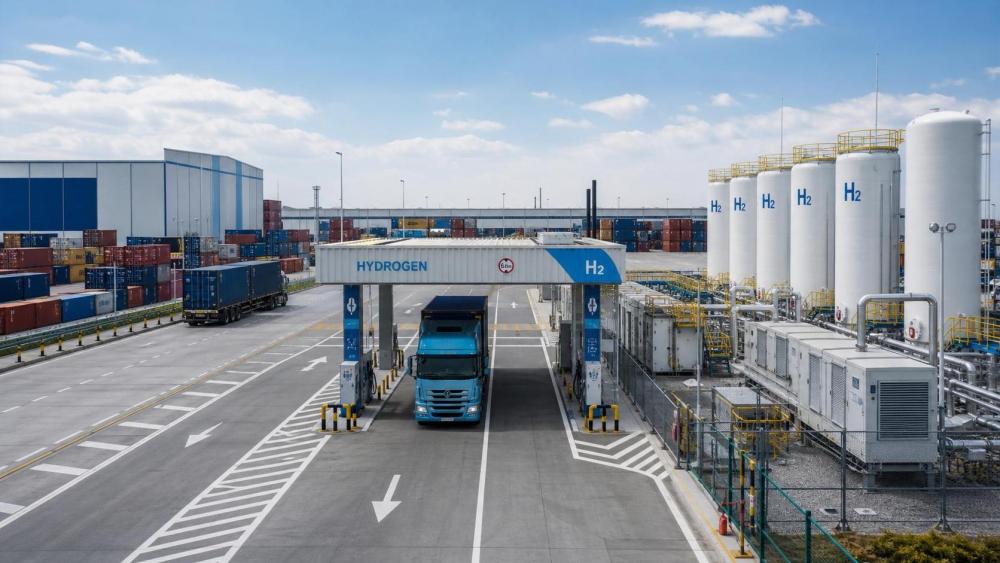
A fleet-ready hydrogen fueling depot is designed for repeatable, predictable, and safe fueling over a defined duty cycle. That includes hydrogen supply, compression, storage, dispensing, traffic flow, controls, and emergency response.
In practice, fleets use hydrogen differently from passenger vehicles. Vehicles often arrive in waves, return on fixed schedules, and require dependable turnaround before the next route, yard shift, or terminal movement window.
This matters in ports, drayage corridors, cold-chain distribution, and heavy-duty logistics hubs. A depot may technically support fueling, yet still underperform if pressure recovery is slow, queue design is poor, or hydrogen replenishment is not aligned with operating peaks.
Why the topic is gaining urgency across logistics infrastructure
Hydrogen truck pilots are moving into more structured deployment planning. At the same time, ports, warehouse campuses, and regional freight operators are under pressure to lower emissions without sacrificing asset utilization.
Battery-electric equipment will fit many applications, but long duty cycles, payload sensitivity, and fast turnaround needs keep hydrogen in the conversation. That is especially relevant where heavy vehicles operate across large geographies or where charging dwell time is hard to absorb.
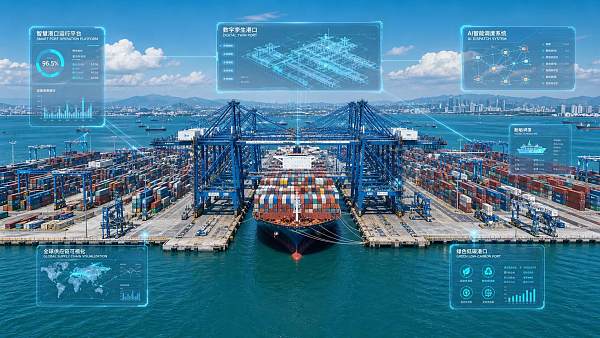
For that reason, the hydrogen fueling depot is increasingly evaluated alongside terminal electrification, yard automation, intermodal equipment strategy, and decarbonization compliance. The depot is no longer an isolated energy project. It influences route planning, vehicle selection, labor schedules, and site productivity.
Capacity should be tested against real operating patterns
Nameplate capacity is only a starting point. A stronger assessment compares the depot’s daily output with actual fleet demand by vehicle class, shift timing, fueling duration, and reserve margin.
The key is to separate average demand from peak demand. Many depot issues appear during compressed fueling windows, not during normal daily averages.
Questions behind the capacity number
- How many kilograms per day can the hydrogen fueling depot reliably deliver, not just theoretically produce?
- How many back-to-back heavy-duty fills can be completed before pressure or temperature limits reduce performance?
- What is the refill rate for onsite storage after peak demand periods?
- Is there enough buffer storage for delayed deliveries or temporary demand spikes?
- Can the depot serve current vehicles while supporting future fleet expansion?
A useful review maps vehicle arrivals by hour and compares that profile to compression and dispensing capability. This often reveals whether the hydrogen fueling depot is appropriately sized or simply appears adequate in aggregate.
A practical comparison table
Safety is not a checklist item but an operating condition
Any hydrogen fueling depot must satisfy codes and engineering requirements, but compliance alone does not guarantee smooth fleet use. The stronger question is whether the safety design fits the operating environment.
A depot near warehouses, container yards, cold stores, or terminal roads faces different exposure than a remote industrial plot. Traffic density, adjacent equipment, lighting, wind conditions, and emergency access all change the risk picture.
What deserves close attention
- Detection and shutdown systems should be visible, redundant, and easy to isolate during an incident.
- Vent stack placement should consider nearby buildings, crane structures, canopies, and prevailing airflow.
- Vehicle approach lanes should prevent reversing conflicts around high-pressure equipment.
- Emergency procedures should align with local fire response capability and site operating hours.
- Training must cover fueling practice, incident response, and lockout coordination.
For logistics facilities, safety also includes uptime. Frequent nuisance shutdowns, unclear alarms, or difficult access controls can disrupt operations even when no major incident occurs.
Siting decisions shape both risk and productivity
The best hydrogen fueling depot location is rarely the nearest empty parcel. It should reduce non-productive travel, fit heavy-vehicle circulation, maintain safe separation, and support expansion without conflicting with other site functions.
In freight settings, siting errors show up quickly. Vehicles may queue into public roads, cross pedestrian zones, interfere with reefer operations, or add deadhead miles that weaken the economics of hydrogen adoption.
Site layout factors that change the decision
Turning radius matters more than many early studies assume. A hydrogen fueling depot serving tractors, rigid trucks, terminal vehicles, or specialized intermodal equipment needs unobstructed entry and exit geometry.
Utility access also deserves careful review. Compression, controls, lighting, communications, drainage, and fire protection infrastructure can significantly alter project cost and schedule.
Then there is land-use compatibility. A depot placed beside future warehouse expansion, automated yard lanes, or customs inspection areas may create conflict later, even if it looks efficient at the start.
Supply model and resilience often decide long-term viability
A hydrogen fueling depot is only as dependable as its upstream supply model. Delivered hydrogen, onsite generation, or hybrid arrangements each bring different risk profiles, lead times, and cost structures.
Delivered supply may accelerate deployment, but route reliability, trailer turnaround, and regional availability become critical. Onsite production may reduce transport dependency, yet it introduces power, water, maintenance, and redundancy questions.
This is especially relevant in logistics networks where demand volatility is normal. Seasonal peaks, port congestion, reefer surges, and tender-driven volume shifts can all change fueling loads. The hydrogen fueling depot should be evaluated against disruption scenarios, not only steady-state assumptions.
Digital visibility makes depot performance easier to manage
For organizations already working with connected equipment, yard systems, or transport management platforms, the hydrogen fueling depot should not remain a blind spot. Fueling data can support planning, maintenance, and energy governance.
Useful signals include fill duration, pressure consistency, queue time, storage level, alarm history, and hydrogen consumption by vehicle group. In larger operations, this data helps connect fleet dispatch with infrastructure readiness.
That wider systems view aligns with how G-WLP examines logistics infrastructure. Physical assets perform better when they are evaluated together with software visibility, process discipline, compliance evidence, and operational resilience.
A workable evaluation framework for project decisions
When comparing options, it helps to score each hydrogen fueling depot across five connected dimensions rather than reviewing each issue in isolation.
- Operational fit: route timing, fueling windows, dwell time, and vehicle compatibility
- Technical fit: dispensing rate, storage, redundancy, and maintenance access
- Safety fit: code compliance, site exposure, emergency response, and training readiness
- Commercial fit: fuel pricing logic, service guarantees, and expansion economics
- Strategic fit: decarbonization goals, network growth, and integration with other zero-emission assets
This kind of framework prevents a familiar mistake: selecting a low-cost hydrogen fueling depot that later requires operating workarounds, extra land, higher standby inventory, or unplanned redesign.
What to do before moving to procurement or final site approval
A strong next step is to build a demand model using actual vehicle movements, fueling assumptions, and peak-hour return patterns. Then test each hydrogen fueling depot option against that model with outage scenarios included.
It is also worth reviewing the depot in the context of the wider facility plan. Yard automation, gate design, customs flow, reefer zones, and future building footprints can all change what looks optimal today.
In the end, the most reliable hydrogen fueling depot is the one that matches real fleet behavior, not just theoretical demand. Clear capacity evidence, sound safety design, practical siting, and resilience planning provide a better basis for long-term zero-emission operations than headline specifications alone.
Related News
 Reefer Monitoring Price Explained: Cost Drivers, Subscription Models, and ROI BenchmarksReefer monitoring price explained clearly: compare cost drivers, subscription models, hidden fees, and ROI benchmarks to choose a smarter cold-chain monitoring solution.
 How to Choose a Temperature Monitoring System for Cold Chain Compliance and Audit ReadinessTemperature monitoring system selection affects compliance, product quality, and audit outcomes. Learn how to compare alerts, calibration, data integrity, and reporting for cold chain readiness.
 Port Infrastructure Planning Checklist: What to Evaluate for Capacity, Yard Flow, and ExpansionFreight Capital & Infra Investment EconomicsPort infrastructure planning checklist covering real capacity, yard flow, equipment fit, connectivity, and expansion readiness—use it to spot hidden bottlenecks and make smarter investment decisions.
 Container Port Automation vs Conventional Operations: Which KPIs Matter Before You Invest?Port Digital Twin ArchitectContainer port automation vs conventional operations: discover the KPIs that truly shape ROI, throughput, yard efficiency, labor productivity, and resilience before you invest.
 Autonomous Delivery for Hospitals: Best Use Cases, Workflow Design, and Safety CheckpointsSpatial Computing & Machine Vision GeekAutonomous Delivery for hospitals: explore the best use cases, workflow design steps, and safety checkpoints to improve hospital logistics, traceability, and efficiency.
 Shipping Map Puts China Port AI at the CenterPort Digital Twin ArchitectShipping Map puts China Port AI at the center of global supply chain resilience. Learn how smarter port dispatch may reshape routing, transshipment, and delivery reliability.
 Red Sea Diversions Lift Rates as LNG Boxship Orders JumpZero-Carbon Powertrain FellowRed Sea diversions lift rates as LNG boxship orders jump, reshaping Asia-Europe freight, vessel specs, and delivery planning. See what shippers and buyers should do next.
 EU Starts Low-Value Parcel Tax Rule in JulyGlobal Routing & Distribution StrategistEU low-value parcel tax rule starts in July 2026: learn how IOSS VAT and AEO pre-declaration may impact customs timing, costs, and compliance for e-commerce exporters.
 Last Mile Routing Provider Comparison: SLA, API, Coverage, and Pricing FactorsSpatial Computing & Machine Vision GeekLast mile routing provider comparison guide: evaluate SLA performance, API depth, coverage, and pricing factors to reduce delivery risk, improve integration, and choose a partner that scales.
 Port Data Integration Problems: How to Connect TOS, Customs, Yard, and Carrier SystemsPort Digital Twin ArchitectPort data integration challenges can delay cargo, distort visibility, and raise costs. Learn how to connect TOS, customs, yard, and carrier systems with a practical framework.
 Automated Cranes in Singapore Ports: Key Specs, Throughput Metrics, and Site FitPort Digital Twin ArchitectAutomated cranes Singapore projects require more than bold specs. Explore key performance metrics, site-fit factors, and integration insights to choose smarter port automation solutions.
 How to Choose Temperature-Controlled Logistics Packaging for Transit Time and Product RiskTemperature-controlled logistics packaging selection starts with transit time and product risk. Learn how to compare options, reduce spoilage, control cost, and choose with confidence.