What Drives Last Mile Delivery Cost? A Breakdown of Labor, Routing, and Failed Drops




Why does last mile delivery cost attract so much scrutiny?
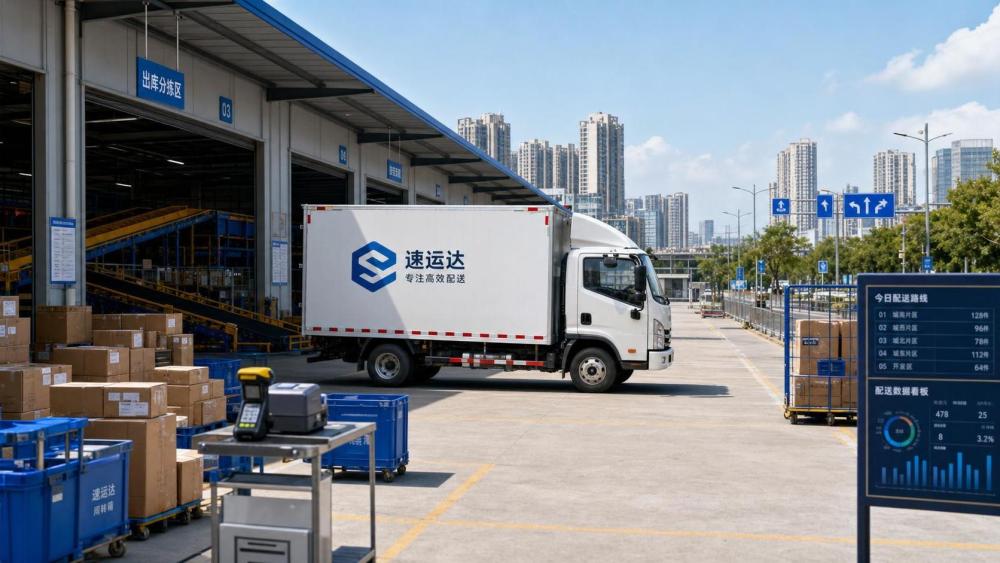
Last mile delivery cost looks small on a shipment record, yet it often decides whether a delivery program keeps or loses margin.
That is because the final leg combines labor, route density, customer timing, and delivery exceptions in one expensive operating moment.
In practical terms, a warehouse may run efficiently, linehaul may be optimized, and customs may clear on time.
Even then, last mile delivery cost can rise fast if a driver waits, misses, reattempts, or travels low-density routes.
This is why G-WLP often frames last-mile economics as part of a wider logistics system, not an isolated transport charge.
When smart sorting, warehouse automation, overseas inventory placement, and delivery orchestration work together, the cost picture becomes clearer.
A useful starting point is simple: last mile delivery cost is driven less by distance alone and more by stop complexity.
That includes how many drops fit one route, how predictable the addresses are, and how often delivery fails on the first attempt.
Is labor still the biggest driver of last mile delivery cost?
In many delivery networks, yes. Labor remains the largest and most volatile component of last mile delivery cost.
Driver wages are only one part of the equation.
Supervision, training, overtime, seasonal staffing, subcontractor premiums, benefits, and idle time also matter.
A route that looks profitable on base pay can become expensive once waiting time and redelivery hours are added.
Urban labor markets push costs upward, especially where service windows are narrow and parking is difficult.
Rural routes create a different challenge. Hours increase, but stop density falls, so labor productivity drops.
This is why cost reviews should focus on labor productivity per successful stop, not only per shift.
More common decision metrics include cost per completed delivery, stops per hour, and reattempt hours per route.
Where automation fits is upstream. Better slotting, sortation accuracy, and dispatch timing can reduce wasted driver minutes.
That connection matters for networks handling cross-border e-commerce, refrigerated shipments, or time-sensitive spare parts.
If routes are optimized, why does last mile delivery cost still stay high?
Route optimization helps, but it does not eliminate structural cost pressure.
Many routing tools minimize distance, while the real cost drivers include delivery sequence risk, access restrictions, and promised time windows.
A short route can still be expensive if drivers face repeated gate checks, elevator waits, or apartment access failures.
Another issue is order cut-off timing. Late releases compress route planning and force suboptimal dispatch.
In actual operations, last mile delivery cost often rises when fulfillment and transport planning are managed separately.
That is why integrated visibility matters across warehouses, sort centers, TMS tools, and delivery apps.
G-WLP regularly covers this broader view across robotics, automation software, and delivery infrastructure because routing quality depends on upstream data quality.
The table below helps separate route myths from route realities.
The main takeaway is that route efficiency is operational, while last mile delivery cost is systemic.
How much do failed drops and delivery exceptions really cost?
Usually more than expected. Failed drops are among the most underestimated parts of last mile delivery cost.
A failed attempt does not just add one extra stop.
It can trigger customer service activity, route resequencing, reverse handling, storage, and sometimes disposal risk for perishable goods.
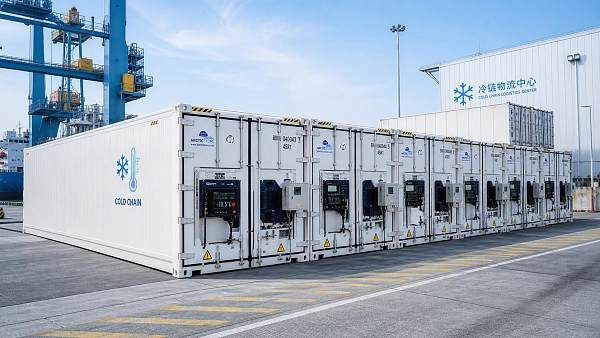
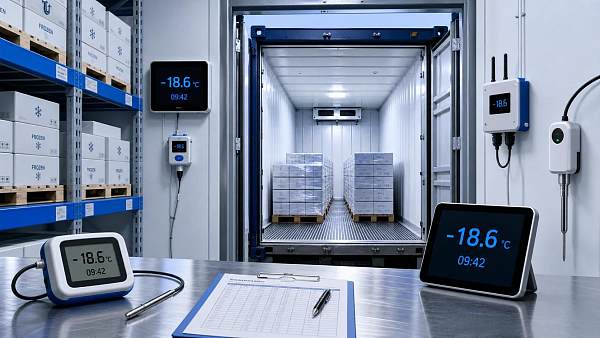
This becomes especially costly in cold-chain or high-value shipments, where product integrity and chain-of-custody must be maintained.
For cross-border e-commerce, failed delivery can also create customs complications, duty disputes, or return channel friction.
In other words, one failed drop can create costs in transport, service, compliance, and inventory.
The more useful question is not whether failed drops happen, but where they begin.
- Poor address validation before dispatch
- Weak delivery slot confirmation
- Limited proof-of-delivery options
- Mismatch between parcel type and recipient location
- Insufficient exception messaging during the route
Reducing failed drops often delivers faster savings than negotiating a lower carrier rate.
That is because it improves both direct route economics and downstream service costs.
What should be compared before approving a delivery solution?
A low headline rate rarely tells the full story of last mile delivery cost.
A more grounded comparison looks at cost structure, exception exposure, and scalability under peak demand.
This is especially relevant when reviewing urban fleets, parcel carriers, gig-based models, lockers, autonomous pilots, or micro-fulfillment support.
In practice, several questions reveal whether a proposal is financially stable.
- What percentage of charges is fixed, variable, and exception-based?
- How are failed attempts, waiting time, and remote area surcharges billed?
- What stop density is assumed in the pricing model?
- Can the operator integrate with warehouse, OMS, and proof-of-delivery systems?
- What happens to service quality during seasonal peaks or labor shortages?
It also helps to compare alternatives beyond standard van delivery.
For example, parcel lockers, pickup points, and consolidated delivery windows may reduce last mile delivery cost more than pure route optimization.
Where autonomous delivery, AMRs, or zero-emission fleets are considered, the evaluation should include utilization, regulation, maintenance, and dispatch maturity.
G-WLP’s wider coverage is relevant here because hardware, compliance, and software integration all influence the real economics of the final mile.
Which hidden assumptions usually distort last mile delivery cost?
The most common mistake is treating all deliveries as comparable units.
They are not. A residential parcel, a reefer medical shipment, and a B2B scheduled drop have different risk and handling profiles.
Another distortion appears when models assume stable volume across all zones.
In reality, volume shifts by season, campaign timing, weather, and regional demand patterns.
Last mile delivery cost also gets understated when upstream errors are excluded.
Late picking, wrong labels, incomplete customs data, and poor inventory placement all increase final-mile expense later.
That is why the best cost reviews combine transport metrics with fulfillment and inventory metrics.
A short diagnostic checklist can help.
- Separate first-attempt success rate from total completion rate.
- Track cost by zone, order type, and service promise.
- Include customer contact costs linked to delivery failures.
- Test how peak weeks change route density and overtime.
- Review whether inventory is positioned close enough to demand.
These checks make last mile delivery cost easier to forecast and harder to underestimate.
So where should the next cost reduction effort begin?
Start where cost and controllability meet.
For many operations, that means improving first-attempt delivery success, cleaning address data, and aligning warehouse release timing with route planning.
If those basics are already strong, the next step is usually network design.
That may include different node placement, overseas warehouse use, local sortation changes, or alternative delivery channels.
Technology investment should follow that logic, not replace it.
Routing engines, robotics, proof-of-delivery tools, autonomous pilots, and zero-emission fleets can all help, but only when the operating model is clear.
A sound review of last mile delivery cost should therefore answer four things: where labor time is lost, where routing assumptions fail, where delivery attempts break down, and which upstream fixes remove recurring waste.
Once those answers are visible, solution comparison becomes more disciplined and investment decisions become easier to defend.
The most useful next move is to build a cost map by stop type, exception type, and service level.
That creates a practical basis for comparing carriers, automation options, delivery models, and future infrastructure upgrades with less guesswork.
Related News
 Reefer Monitoring Price Explained: Cost Drivers, Subscription Models, and ROI BenchmarksReefer monitoring price explained clearly: compare cost drivers, subscription models, hidden fees, and ROI benchmarks to choose a smarter cold-chain monitoring solution.
 How to Choose a Temperature Monitoring System for Cold Chain Compliance and Audit ReadinessTemperature monitoring system selection affects compliance, product quality, and audit outcomes. Learn how to compare alerts, calibration, data integrity, and reporting for cold chain readiness.
 Port Infrastructure Planning Checklist: What to Evaluate for Capacity, Yard Flow, and ExpansionFreight Capital & Infra Investment EconomicsPort infrastructure planning checklist covering real capacity, yard flow, equipment fit, connectivity, and expansion readiness—use it to spot hidden bottlenecks and make smarter investment decisions.
 Container Port Automation vs Conventional Operations: Which KPIs Matter Before You Invest?Port Digital Twin ArchitectContainer port automation vs conventional operations: discover the KPIs that truly shape ROI, throughput, yard efficiency, labor productivity, and resilience before you invest.
 Autonomous Delivery for Hospitals: Best Use Cases, Workflow Design, and Safety CheckpointsSpatial Computing & Machine Vision GeekAutonomous Delivery for hospitals: explore the best use cases, workflow design steps, and safety checkpoints to improve hospital logistics, traceability, and efficiency.
 Shipping Map Puts China Port AI at the CenterPort Digital Twin ArchitectShipping Map puts China Port AI at the center of global supply chain resilience. Learn how smarter port dispatch may reshape routing, transshipment, and delivery reliability.
 Red Sea Diversions Lift Rates as LNG Boxship Orders JumpZero-Carbon Powertrain FellowRed Sea diversions lift rates as LNG boxship orders jump, reshaping Asia-Europe freight, vessel specs, and delivery planning. See what shippers and buyers should do next.
 EU Starts Low-Value Parcel Tax Rule in JulyGlobal Routing & Distribution StrategistEU low-value parcel tax rule starts in July 2026: learn how IOSS VAT and AEO pre-declaration may impact customs timing, costs, and compliance for e-commerce exporters.
 Last Mile Routing Provider Comparison: SLA, API, Coverage, and Pricing FactorsSpatial Computing & Machine Vision GeekLast mile routing provider comparison guide: evaluate SLA performance, API depth, coverage, and pricing factors to reduce delivery risk, improve integration, and choose a partner that scales.
 Port Data Integration Problems: How to Connect TOS, Customs, Yard, and Carrier SystemsPort Digital Twin ArchitectPort data integration challenges can delay cargo, distort visibility, and raise costs. Learn how to connect TOS, customs, yard, and carrier systems with a practical framework.
 Automated Cranes in Singapore Ports: Key Specs, Throughput Metrics, and Site FitPort Digital Twin ArchitectAutomated cranes Singapore projects require more than bold specs. Explore key performance metrics, site-fit factors, and integration insights to choose smarter port automation solutions.
 How to Choose Temperature-Controlled Logistics Packaging for Transit Time and Product RiskTemperature-controlled logistics packaging selection starts with transit time and product risk. Learn how to compare options, reduce spoilage, control cost, and choose with confidence.