Cold-Chain Logistics Intelligence in Pharma and Food: Use Cases, Sensors, and ROI




Cold-Chain Logistics Intelligence becomes practical when conditions start changing
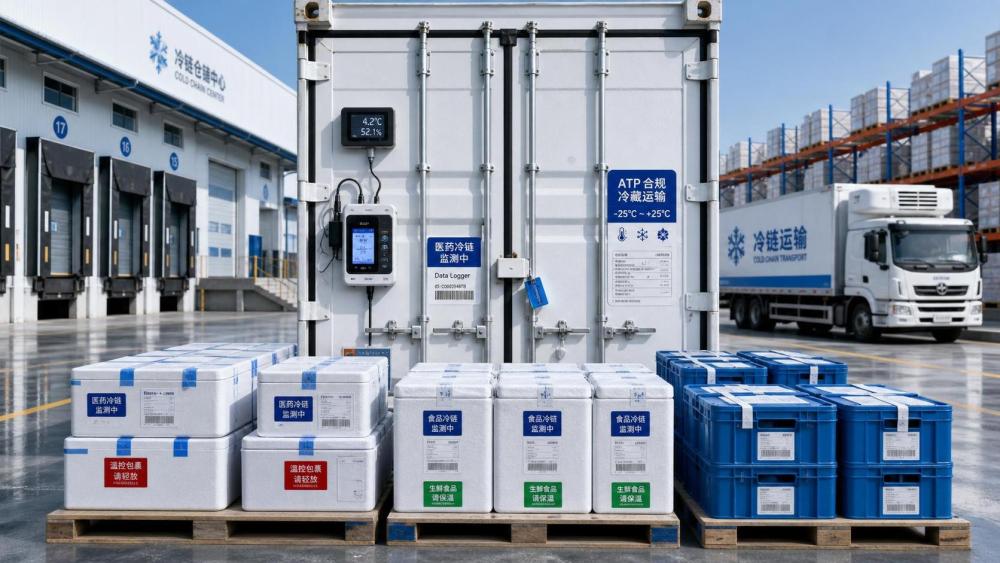
Cold-Chain Logistics Intelligence matters most when product value, compliance pressure, and transit complexity rise at the same time.
That is why pharma and food rarely use the same monitoring logic, even when both move in refrigerated assets.
In practice, the issue is not only temperature control.
It is the ability to see risk early, prove chain of custody, and react before inventory becomes unusable.
Across ports, inland terminals, warehouses, reefer yards, and last-mile handoffs, conditions change by lane, season, packaging, and dwell time.
This is where Cold-Chain Logistics Intelligence moves from a tracking feature to an operational discipline.
For a platform like G-WLP, the topic sits naturally between reefer technology, port infrastructure, trade visibility, and compliance-driven logistics decisions.
The useful question is not whether intelligence tools are valuable.
The useful question is where they create the clearest control, the fastest payback, and the strongest audit trail.
Why the same cold chain behaves differently in pharma and food
Pharma shipments usually carry tighter excursion limits, stricter documentation needs, and higher consequences for short exposure events.
Food flows often involve higher volumes, more variable handling points, and larger losses from cumulative spoilage rather than one isolated incident.
That difference shapes sensor choice, alert settings, escalation rules, and ROI expectations.
A pharmaceutical lane may justify continuous data logging with tamper evidence and lane-specific deviation workflows.
A fresh food network may get more value from broader asset visibility, loading discipline, and predictive ETAs tied to shelf-life decisions.
Cold-Chain Logistics Intelligence therefore works best when it reflects operational reality, not generic cold-room specifications.
The key variables usually sit outside the sensor itself
Sensor accuracy matters, but deployment context often matters more.
Packaging density, pallet layout, door openings, customs dwell, cross-docking rhythm, and power availability all change the data story.
This is why reefer container visibility at the port gate cannot be treated as identical to carton-level monitoring in air freight or urban delivery.
High-value pharma lanes need proof, not just alerts
In pharmaceutical cold chains, the biggest pressure point is often documentation credibility.
A temperature alert is useful, but an incomplete event record can still create batch disputes, release delays, or rejected claims.
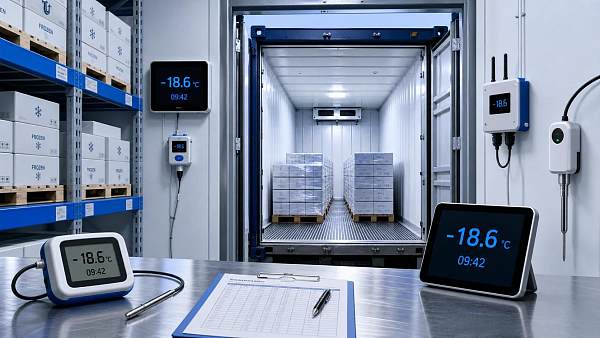
Cold-Chain Logistics Intelligence in this setting should combine calibrated temperature logging, location traceability, shock or tilt detection where relevant, and clear exception timestamps.
The strongest use cases appear on long international lanes with airport transfers, seaport transshipment, bonded storage, or multi-party custody changes.
Here, intelligence supports both intervention and evidence.
If a pallet sits on a hot tarmac for twelve minutes, the issue is not only exposure.
The issue is whether the event is linked to product stability rules and an agreed response procedure.
A common mistake is overinvesting in premium sensors while leaving alert ownership unclear across carriers, handlers, and storage operators.
Without response accountability, even excellent data arrives too late to protect product integrity.
Food networks often win by controlling cumulative loss points
Food operations usually face a broader mix of products, shorter planning windows, and more frequent handoffs.
In these networks, Cold-Chain Logistics Intelligence often delivers value through pattern recognition rather than single-event investigation.
Repeated temperature drift during loading, recurring delays at a regional cross-dock, or inconsistent return-air performance inside reefers may create more loss than rare catastrophic failures.
That is why many food use cases focus on route segmentation, load condition history, and predictive spoilage windows.
The intelligence layer helps separate unavoidable variability from preventable waste.
For frozen goods, threshold breaches may dominate the rule set.
For produce, humidity, airflow, and time-at-temperature can be just as important as the nominal setpoint.
This distinction is often missed when teams standardize one cold monitoring method across every SKU.
A short comparison helps clarify where priorities shift
The table shows why Cold-Chain Logistics Intelligence should be configured around failure modes, not only around commodity labels.
Sensor strategy should follow the risk point in the journey
Not every lane needs the same sensor stack.
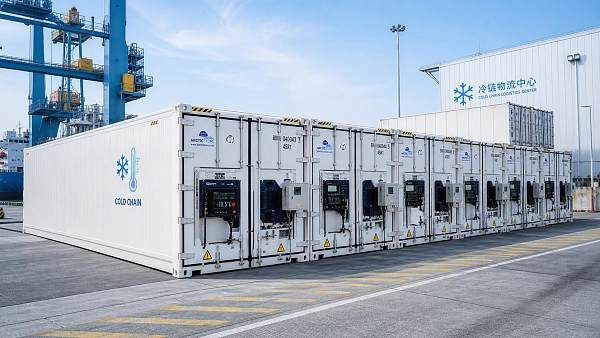
Some operations need container-level reefer telemetry integrated with terminal and yard systems.
Others need package-level loggers that survive parcel handling and customs inspection.
A practical selection process usually starts with where product degradation begins, not where visibility is easiest to buy.
- Use reefer unit telemetry when port dwell, plug status, and container condition drive risk.
- Use pallet or carton sensors when internal load temperature differs from ambient trailer data.
- Add door, shock, or light sensors when unauthorized access or rough handling changes product viability.
- Link sensor streams to ETA and handoff milestones when timing, not only temperature, determines usable shelf life.
Within G-WLP’s broader logistics context, this matters because intelligence gains value when tied to actual nodes.
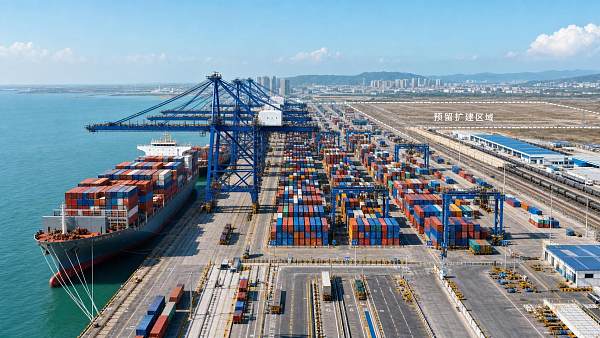
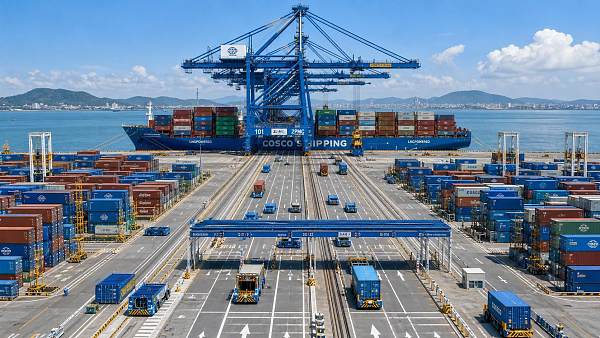
Port terminals, inland depots, cross-border gateways, and automated storage sites create different blind spots.
A sensor plan that ignores node behavior usually produces clean dashboards and weak control.
ROI appears faster when intelligence changes operating decisions
Many cold-chain projects struggle because ROI is framed too narrowly.
Spoilage reduction is important, but it is only one part of the value case.
Cold-Chain Logistics Intelligence also affects claims handling, shipment release timing, labor prioritization, maintenance planning, and lane redesign.
In pharma, one prevented rejection can justify months of monitoring cost.
In food, savings often come from lower waste percentages spread across large recurring volumes.
The most defensible ROI models usually include four measurable elements.
- Reduced spoilage or quarantine events by lane and season.
- Lower claim investigation time through complete event records.
- Improved asset utilization from faster exception response.
- Better compliance readiness for audits, tenders, and cross-border approvals.
What matters is not impressive data volume.
What matters is whether the data changes dispatching, storage priority, service recovery, or supplier evaluation.
Where projects are often misjudged before rollout
One frequent error is assuming that a compliant sensor specification guarantees a compliant cold chain.
If alert routing is weak, calibration discipline is inconsistent, or local teams cannot act on exceptions, the system underdelivers.
Another mistake is copying settings from one geography to another.
A lane crossing congested ports, customs holds, and tropical climates needs a different tolerance model than a controlled domestic route.
There is also a tendency to compare procurement cost without comparing replacement cycles, battery life, connectivity gaps, and integration work.
In real operations, these hidden factors often decide whether Cold-Chain Logistics Intelligence scales smoothly or stalls after a pilot.
A practical adaptation checklist
- Map the highest-risk node, not only the longest route.
- Match sensor granularity to product sensitivity and packaging depth.
- Define who receives, validates, and closes each alert type.
- Check interoperability with reefer systems, warehouse software, and customs documentation flows.
- Measure pilot success with operational decisions changed, not only alarms generated.
The next step is building scenario-based control, not more raw data
Cold-Chain Logistics Intelligence works best when each lane, product family, and transfer point has a clear monitoring purpose.
That purpose may be audit evidence, spoilage prevention, reefer asset control, or faster exception handling.
The right setup depends on where failure begins and how fast teams can respond.
A sensible next move is to compare two or three representative lanes.
Review dwell points, packaging profiles, excursion history, and data handoff gaps.
Then build a scenario-based standard for sensors, alerts, evidence retention, and intervention timing.
That approach creates a stronger foundation for compliance, lower loss, and more believable ROI across global cold logistics networks.
Related News
 Reefer Monitoring Price Explained: Cost Drivers, Subscription Models, and ROI BenchmarksReefer monitoring price explained clearly: compare cost drivers, subscription models, hidden fees, and ROI benchmarks to choose a smarter cold-chain monitoring solution.
 How to Choose a Temperature Monitoring System for Cold Chain Compliance and Audit ReadinessTemperature monitoring system selection affects compliance, product quality, and audit outcomes. Learn how to compare alerts, calibration, data integrity, and reporting for cold chain readiness.
 Port Infrastructure Planning Checklist: What to Evaluate for Capacity, Yard Flow, and ExpansionFreight Capital & Infra Investment EconomicsPort infrastructure planning checklist covering real capacity, yard flow, equipment fit, connectivity, and expansion readiness—use it to spot hidden bottlenecks and make smarter investment decisions.
 Container Port Automation vs Conventional Operations: Which KPIs Matter Before You Invest?Port Digital Twin ArchitectContainer port automation vs conventional operations: discover the KPIs that truly shape ROI, throughput, yard efficiency, labor productivity, and resilience before you invest.
 Autonomous Delivery for Hospitals: Best Use Cases, Workflow Design, and Safety CheckpointsSpatial Computing & Machine Vision GeekAutonomous Delivery for hospitals: explore the best use cases, workflow design steps, and safety checkpoints to improve hospital logistics, traceability, and efficiency.
 Shipping Map Puts China Port AI at the CenterPort Digital Twin ArchitectShipping Map puts China Port AI at the center of global supply chain resilience. Learn how smarter port dispatch may reshape routing, transshipment, and delivery reliability.
 Red Sea Diversions Lift Rates as LNG Boxship Orders JumpZero-Carbon Powertrain FellowRed Sea diversions lift rates as LNG boxship orders jump, reshaping Asia-Europe freight, vessel specs, and delivery planning. See what shippers and buyers should do next.
 EU Starts Low-Value Parcel Tax Rule in JulyGlobal Routing & Distribution StrategistEU low-value parcel tax rule starts in July 2026: learn how IOSS VAT and AEO pre-declaration may impact customs timing, costs, and compliance for e-commerce exporters.
 Last Mile Routing Provider Comparison: SLA, API, Coverage, and Pricing FactorsSpatial Computing & Machine Vision GeekLast mile routing provider comparison guide: evaluate SLA performance, API depth, coverage, and pricing factors to reduce delivery risk, improve integration, and choose a partner that scales.
 Port Data Integration Problems: How to Connect TOS, Customs, Yard, and Carrier SystemsPort Digital Twin ArchitectPort data integration challenges can delay cargo, distort visibility, and raise costs. Learn how to connect TOS, customs, yard, and carrier systems with a practical framework.
 Automated Cranes in Singapore Ports: Key Specs, Throughput Metrics, and Site FitPort Digital Twin ArchitectAutomated cranes Singapore projects require more than bold specs. Explore key performance metrics, site-fit factors, and integration insights to choose smarter port automation solutions.
 How to Choose Temperature-Controlled Logistics Packaging for Transit Time and Product RiskTemperature-controlled logistics packaging selection starts with transit time and product risk. Learn how to compare options, reduce spoilage, control cost, and choose with confidence.