Cold Chain Infrastructure Gaps That Cause Repeat Temperature Excursions




Why do repeat excursions point to Cold Chain Infrastructure gaps, not isolated mistakes?
Repeat temperature excursions usually signal a structural issue.
A pallet left too long on a dock matters, but recurring failures rarely begin there.
They often start with weak Cold Chain Infrastructure across storage rooms, transfer zones, backup power, and reefer connection points.
In global trade lanes, small design weaknesses become repeated thermal instability.
That is especially true when ports, inland hubs, and cross-border handoffs operate under tight dwell-time pressure.
The practical question is not whether one event was caused by handling.
The better question is why the system allowed the product to drift again.
Within G-WLP’s view of global logistics architecture, Cold Chain Infrastructure is both physical and digital.
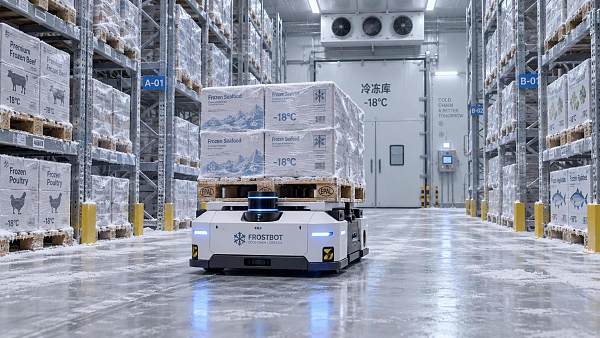
It includes insulated rooms, dock seals, reefer yards, sensors, alarms, data governance, and response workflows.
When these layers do not align, the same temperature problem returns under different operational labels.
That is why repeat excursions increase product loss, audit exposure, and schedule unreliability at the same time.
Where do the most common Cold Chain Infrastructure failures actually happen?
Most failures appear at transition points, not deep inside stable storage.
The pattern is familiar across food, life sciences, and mixed high-value cargo.
Temperature control weakens when product moves between systems designed by different teams.
The dock is often the first hidden hotspot
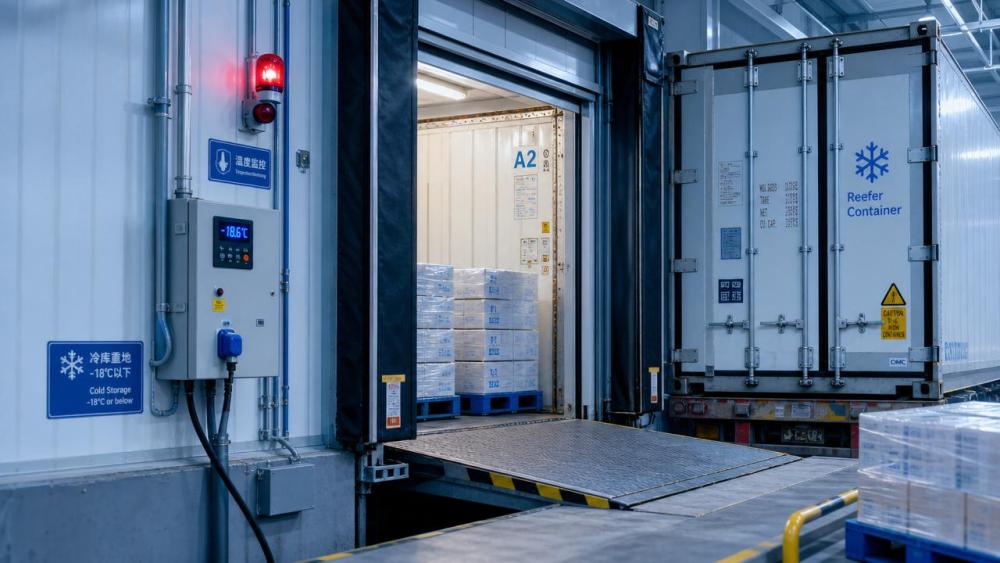
Dock doors may be fast, but pressure differentials still pull in warm and humid air.
If staging space is shallow, loads wait outside the controlled envelope longer than planned.
That delay may only last minutes, yet repeated exposure accumulates product stress.
Power resilience is usually underestimated
Backup generators alone do not guarantee continuity.
Switch-over lag, weak preventive maintenance, and limited priority circuits can still interrupt cooling.
In reefer yards, a single unstable power cluster can affect multiple containers before alarms escalate.
Sensor coverage often looks complete, but is not
One room probe cannot represent real product conditions.
Dead zones appear near doors, upper racks, return-air paths, and dense packaging cores.
If telemetry is sparse, teams see the exception too late and investigate the wrong cause.
Handoff between reefer and warehouse remains fragile
The transfer from vessel, yard, truck, or airside equipment is where infrastructure coordination matters most.
Mismatch in setpoint, pre-cooling status, door-open duration, or paperwork timing can create repeat excursions.
This is why mature Cold Chain Infrastructure is designed around interfaces, not just equipment capacity.
How can you tell whether the issue is design, operations, or data visibility?
A useful diagnosis starts by separating symptom from source.
If alarms happen in the same area, at the same hour, or during the same transfer, infrastructure is usually involved.
If timing varies but staff actions repeat, operations may be the trigger.
If neither pattern is clear, the data model may be too thin.
The table below helps sort the issue faster.
In practice, many sites discover they have all three issues at once.
That is why G-WLP emphasizes integrated engineering logic instead of isolated asset upgrades.
A better freezer, by itself, will not fix a broken handoff chain.
Which upgrades reduce repeat excursions fastest without redesigning the whole network?
The fastest gains usually come from targeted corrections at the most exposed nodes.
Full network transformation can wait.
Cold Chain Infrastructure becomes more reliable when a few weak interfaces are corrected first.
- Re-map temperature zones inside rooms and trailers, using product-level profiles rather than ambient averages.
- Upgrade dock separation with better seals, faster doors, and staging rules tied to thermal exposure windows.
- Harden reefer power continuity through monitored plugs, segmented circuits, and tested failover drills.
- Standardize digital handoff records, including setpoint, pre-cooling confirmation, seal status, and transfer timestamps.
- Link alarm logic to action thresholds so alerts trigger intervention, not just passive logging.
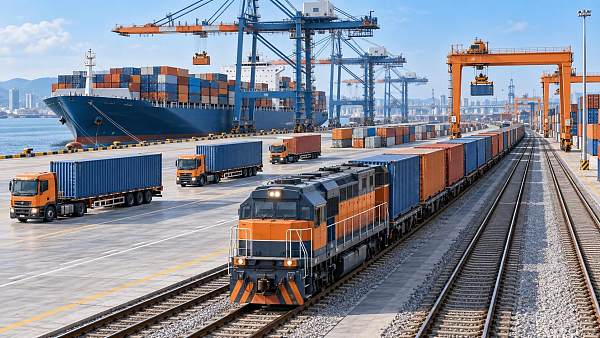
These steps are especially effective in port-connected and intermodal environments.
There, equipment quality may already be acceptable, while coordination quality remains uneven.
The broader lesson is simple.
Cold Chain Infrastructure performs best when physical engineering and operational data are designed together.
What gets overlooked when teams compare facilities, ports, or cold-chain partners?
Capacity is often overvalued, while resilience is under-checked.
A site may advertise low temperatures, modern reefers, and strong throughput.
That does not mean it can prevent repeat excursions under congestion, outages, or customs delay.
A more reliable comparison looks at the following questions.
Can the site prove thermal continuity across interfaces?
Ask for transfer data, not just room specifications.
The weakest point is usually between warehouse, vehicle, yard, and terminal system.
Is monitoring auditable and actionable?
Continuous visibility matters only if the records support escalation, root-cause review, and compliance evidence.
This is where alignment with ISO, IATA, and lane-specific requirements becomes practical.
Does decarbonization planning weaken or strengthen control?
Energy transition projects can improve performance, but only if thermal risk is modeled early.
Electrified yards, smart grids, and zero-emission equipment must still protect reefer uptime and cooling priority.
That is increasingly relevant as infrastructure decisions respond to IMO 2026 and broader port decarbonization targets.
How should a corrective roadmap be phased when repeat excursions keep returning?
A workable roadmap starts with exposure mapping, not with equipment shopping.
First, trace every point where the product leaves a stable temperature envelope.
Then rank those points by excursion frequency, cargo value, and recovery difficulty.
After that, build a phased plan.
- Phase 1 addresses fast operational fixes, such as handoff timing, alarm ownership, and staging discipline.
- Phase 2 targets infrastructure corrections, including sensor redesign, dock containment, and power resilience.
- Phase 3 connects data governance, terminal systems, and lane intelligence for predictive control.
This phased approach mirrors how advanced logistics networks are now being engineered.
Physical assets, digital twins, Agentic AI decision layers, and standards benchmarking increasingly work as one operating model.
For Cold Chain Infrastructure, that means fewer blind spots and faster intervention before thermal drift becomes product loss.
If repeat excursions continue, the next step is usually clear.
Review the transfer chain, verify power and sensor resilience, compare interface data, and prioritize the nodes where temperature control repeatedly weakens.
That kind of structured review turns Cold Chain Infrastructure from a compliance burden into a measurable reliability advantage across global trade flows.
Related News
 Where Autonomous Freight Vehicles Deliver the Most Value in Port OperationsPort Digital Twin ArchitectAutonomous freight vehicles ports: discover where automation delivers the highest value in quay-to-yard, rail, and logistics workflows—improving throughput, safety, and reliability.
 How to Size High-Rate Sortation Capacity for Peak Parcel VolumesGlobal Routing & Distribution StrategistHigh-rate sortation capacity planning: learn how to size peak parcel throughput, reduce recirculation, protect carrier cut-offs, and build a resilient operation.
 How to Calculate Rail-Sea Intermodal Logistics Costs Before Choosing a RouteZero-Carbon Powertrain FellowRail-sea intermodal logistics cost: learn to compare all-in freight, rail, port, customs, and risk costs before choosing a route for smarter sourcing decisions.
 What Should Ports Evaluate Before Selecting a Digital Port Platform?Port Digital Twin ArchitectDigital port platform selection guide: evaluate integration, data governance, automation readiness, cybersecurity, and pilots to choose a resilient solution that improves port operations.
 How to Compare Rail-Sea Intermodal Providers for Port-to-Inland Freight ReliabilityZero-Carbon Powertrain FellowCompare rail-sea intermodal providers with a practical guide to lane reliability, capacity, visibility, costs, and contingency planning for resilient port-to-inland freight.
 How to Select Autonomous Mobile Robots for Subzero Cold Storage OperationsPort Digital Twin ArchitectAutonomous mobile robots cold storage teams can rely on: evaluate batteries, navigation, safety, charging, and service for proven subzero performance.
 How Real-Time Route Optimization Reduces Delays Across Multi-Stop Freight OperationsChief Logistics AI & Fluid Dynamics ScientistReal time route optimization helps multi-stop freight teams cut delays, protect delivery windows, and respond faster to port, warehouse, and traffic disruptions.
 How to Build a Logistics Tender Workflow That Improves Bid Quality and ControlFreight Capital & Infra Investment EconomicsLogistics tender workflow guide: improve bid quality, compare total costs, assess suppliers, and strengthen contract control for better logistics outcomes.
 How Should UAE Businesses Evaluate Drone Logistics Systems for Last-Mile Delivery?Spatial Computing & Machine Vision GeekDrone logistics systems UAE: learn how to evaluate regulatory readiness, route safety, integration, reliability, and total cost for smarter last-mile delivery.
 How to Evaluate Port Automation Systems for Container Terminal Efficiency and ROIPort Digital Twin ArchitectPort Automation Systems for terminals: evaluate efficiency, TOS integration, supplier risk, and ROI to choose scalable solutions that improve throughput and resilience.
 How to Use Freight Benchmark Pricing to Compare Carrier Rates and Control CostsFreight Capital & Infra Investment EconomicsFreight benchmark pricing helps procurement teams compare carrier rates, control total transport costs, uncover surcharges, and negotiate better freight deals with confidence.
 Container Yard Management: How to Cut Truck Turn Times and Improve Slot UtilizationPort Digital Twin ArchitectContainer yard management strategies to cut truck turn times, optimize slot utilization, reduce rehandles, and improve yard flow with smarter appointments, planning, and real-time control.