How to Evaluate Terminal Infrastructure Investment: Throughput, Payback, and Risk Factors




Why does terminal infrastructure investment need a wider lens than capex alone?
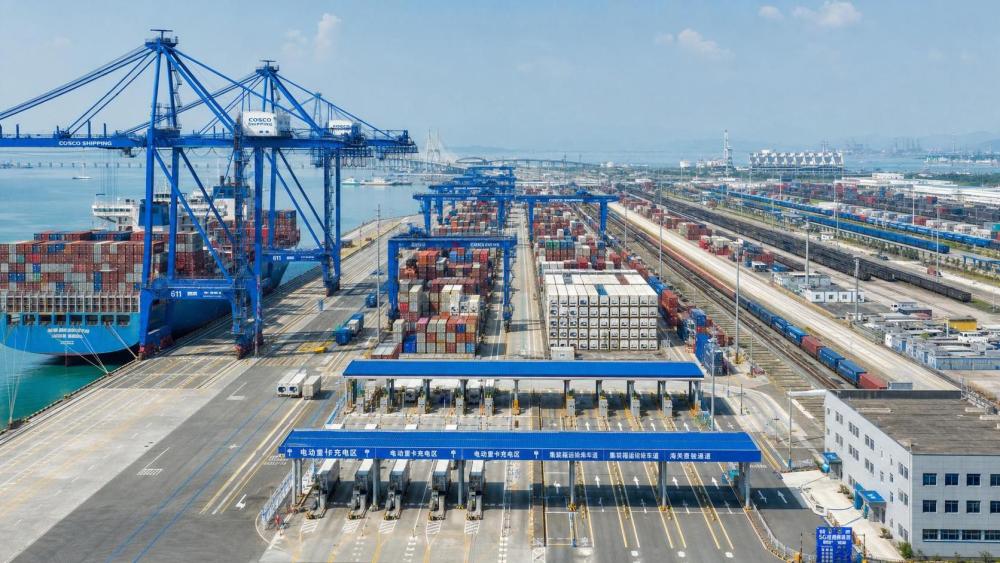
Terminal infrastructure investment rarely succeeds on purchase price alone. The stronger question is whether new assets unlock measurable flow across berth, yard, gate, and inland links.
In practice, a larger berth crane, smarter TOS upgrade, or added reefer capacity can look attractive on paper yet underperform if truck turn times stay weak.
That is why terminal infrastructure investment should be evaluated as a system decision. Throughput, capital recovery, resilience, and compliance must be read together.
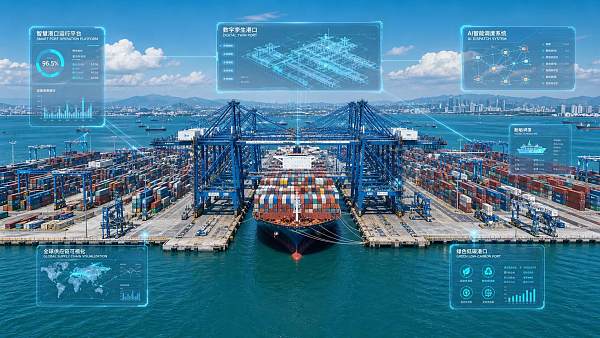
Across smart ports and logistics corridors, the most reliable evaluations combine physical equipment with digital visibility, operating rules, labor readiness, and demand quality.
This matters especially when projects touch automation, cold-chain handling, intermodal transfer, or zero-emission fleets, where dependencies often hide outside the equipment budget.
A practical review should ask three things early: what throughput changes are realistic, when payback becomes acceptable, and which risks can compress returns later.
When does added capacity really improve throughput?
More capacity does not always mean more output. Terminal infrastructure investment creates value only when the added node removes a true bottleneck.
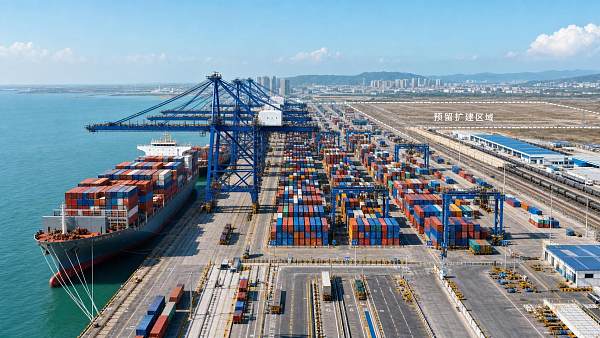
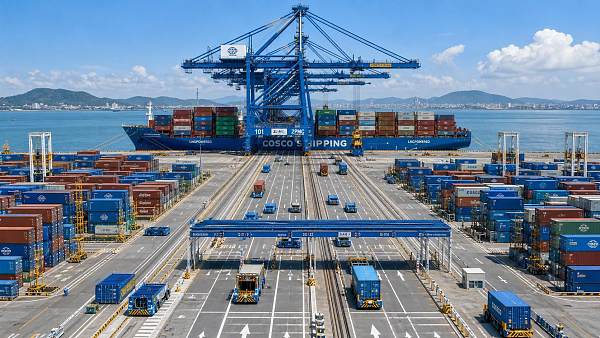
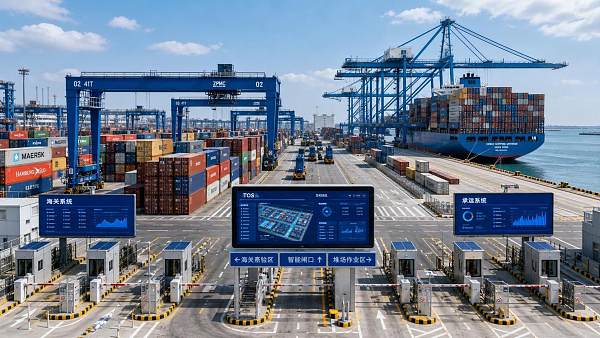
For container terminals, the first check is simple. Is berth productivity constrained by crane intensity, yard density, gate processing, or inland evacuation?
If yard stacking is already saturated, another quay crane may increase vessel discharge pressure without improving annual TEU throughput. Congestion simply shifts inland.
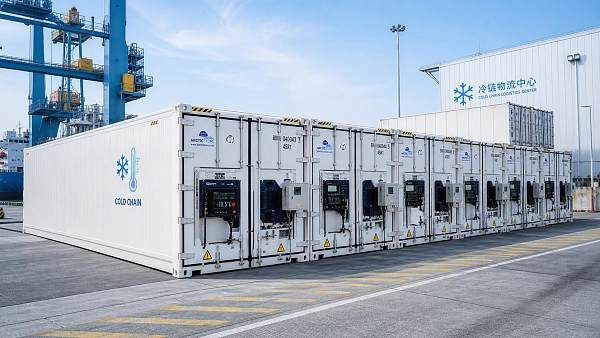
The same logic applies beyond seaports. In cross-border e-commerce and cold-chain sites, handling speed depends on scanning, customs interfaces, slotting logic, and temperature-controlled dwell time.
A better way to judge terminal infrastructure investment is to model throughput across linked stages instead of rating one asset in isolation.
In well-run evaluations, throughput is expressed as sustainable output, not peak-hour marketing capacity. That distinction is often where return expectations become realistic.
How should payback be calculated for terminal infrastructure investment?
Payback should reflect the full operating picture. A narrow capex-versus-revenue formula usually understates integration costs and overstates ramp-up speed.
A useful model starts with incremental cash flow, not total site revenue. The question is what the terminal infrastructure investment adds after all related costs.
Those costs often include software licenses, power upgrades, civil works, training, maintenance contracts, spare parts, cyber controls, and temporary productivity disruption during commissioning.
Revenue assumptions also need discipline. Added capacity only converts into income if utilization rises, service quality improves, or premium cargo becomes easier to win.
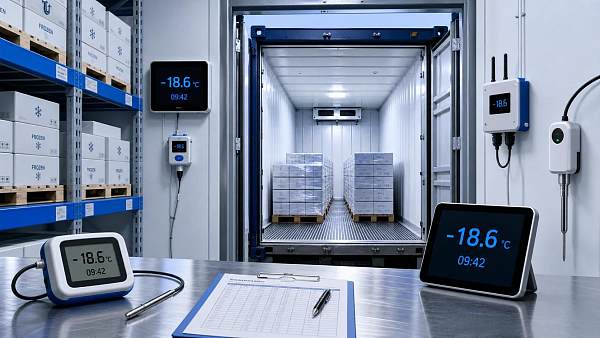
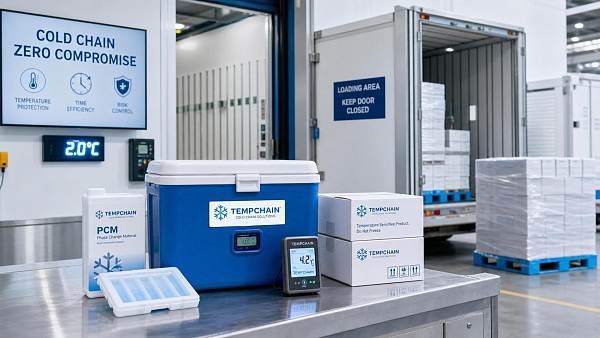
For example, reefer yard expansion may justify stronger margins when pharmaceutical or food flows require tighter monitoring and lower spoilage exposure. Generic volume assumptions miss that value.
More mature teams usually test three cases before approving terminal infrastructure investment.
- Base case: moderate volume growth, expected ramp-up, normal maintenance profile.
- Downside case: delayed commissioning, weaker utilization, tariff or trade pressure.
- Upside case: faster adoption, stronger berth productivity, premium service capture.
If the project only works under an upside case, payback is fragile. If it survives a downside case with manageable delay, the investment case is healthier.
Which risks most often weaken returns after approval?
The common mistake is treating risk as a closing checklist. In terminal infrastructure investment, risk directly changes throughput, downtime, financing cost, and operating margin.
Operational risk usually appears first. Equipment can be installed on time but still lose value through poor interoperability, unstable dispatch logic, or weak maintenance planning.
Regulatory risk is also rising. Emission rules, customs digitization, data governance, and safety standards now shape asset life and required upgrades more than many models assume.
Market risk is less visible, but equally important. Trade lane shifts, carrier alliances, nearshoring, and freight-rate volatility can change cargo mix faster than infrastructure can be repurposed.
A balanced review of terminal infrastructure investment should therefore include both hard and soft risks.
- Integration risk between cranes, AGVs, TOS, yard planning, and customs systems.
- Energy risk from unstable power demand, charging design, or hydrogen supply readiness.
- Labor transition risk when automation changes staffing patterns or training needs.
- Utilization risk when projected volumes rely on one carrier, one commodity, or one lane.
- Compliance risk tied to IMO decarbonization, reefer handling standards, or local permits.
In real projects, the best mitigation is early verification. Pilot runs, digital twins, phased rollout plans, and supplier performance guarantees reduce uncertainty before full deployment.
What separates a sound comparison from a superficial vendor review?
A superficial review compares unit price, rated speed, and delivery date. A sound review compares operational fit across the full terminal workflow.
That means supplier evaluation should connect technical capability with project evidence. Can the solution perform in mixed cargo conditions, harsh weather, and constrained yard geometry?
It also means checking whether the supplier understands adjacent systems. A vendor may deliver strong hardware but weak interfaces with TOS, reefer monitoring, or intermodal scheduling.
For that reason, terminal infrastructure investment decisions increasingly rely on benchmark content, case analysis, tender intelligence, and standards tracking across the wider logistics chain.
This is where sector intelligence becomes useful. In markets shaped by automation, cold-chain controls, zero-emission equipment, and customs technology, isolated quotations say very little.
A stronger comparison often includes the following checks.
- Reference sites with similar throughput, cargo mix, and automation level.
- Documented ramp-up curves rather than headline design capacity.
- Interface scope across TOS, ERP, customs, visibility, and maintenance platforms.
- Service response commitments, spare parts strategy, and local technical coverage.
- Upgrade path for decarbonization, data governance, and future expansion.
When those details are missing, terminal infrastructure investment becomes harder to defend, even if the upfront offer looks efficient.
How can a decision framework turn terminal infrastructure investment into an actionable next step?
A useful framework does not begin with equipment. It begins with constraints, demand quality, and the service promise the site is expected to support.
For some operations, the right move is crane automation. For others, the faster return comes from gate orchestration, yard software, reefer visibility, or intermodal transfer redesign.
In practical terms, terminal infrastructure investment becomes easier to evaluate when decisions are staged.
This kind of structure is especially relevant across the areas tracked by G-WLP, where infrastructure decisions are shaped by equipment performance, software coordination, trade volatility, and decarbonization pressure at the same time.
A good next step is to map the project against current throughput data, build a downside-sensitive payback model, and challenge every major assumption with operational evidence.
If the investment still shows value after those tests, the case is usually strong enough to move into supplier comparison, implementation planning, and contract-level risk allocation.
Related News
 Reefer Monitoring Price Explained: Cost Drivers, Subscription Models, and ROI BenchmarksReefer monitoring price explained clearly: compare cost drivers, subscription models, hidden fees, and ROI benchmarks to choose a smarter cold-chain monitoring solution.
 How to Choose a Temperature Monitoring System for Cold Chain Compliance and Audit ReadinessTemperature monitoring system selection affects compliance, product quality, and audit outcomes. Learn how to compare alerts, calibration, data integrity, and reporting for cold chain readiness.
 Port Infrastructure Planning Checklist: What to Evaluate for Capacity, Yard Flow, and ExpansionFreight Capital & Infra Investment EconomicsPort infrastructure planning checklist covering real capacity, yard flow, equipment fit, connectivity, and expansion readiness—use it to spot hidden bottlenecks and make smarter investment decisions.
 Container Port Automation vs Conventional Operations: Which KPIs Matter Before You Invest?Port Digital Twin ArchitectContainer port automation vs conventional operations: discover the KPIs that truly shape ROI, throughput, yard efficiency, labor productivity, and resilience before you invest.
 Autonomous Delivery for Hospitals: Best Use Cases, Workflow Design, and Safety CheckpointsSpatial Computing & Machine Vision GeekAutonomous Delivery for hospitals: explore the best use cases, workflow design steps, and safety checkpoints to improve hospital logistics, traceability, and efficiency.
 Shipping Map Puts China Port AI at the CenterPort Digital Twin ArchitectShipping Map puts China Port AI at the center of global supply chain resilience. Learn how smarter port dispatch may reshape routing, transshipment, and delivery reliability.
 Red Sea Diversions Lift Rates as LNG Boxship Orders JumpZero-Carbon Powertrain FellowRed Sea diversions lift rates as LNG boxship orders jump, reshaping Asia-Europe freight, vessel specs, and delivery planning. See what shippers and buyers should do next.
 EU Starts Low-Value Parcel Tax Rule in JulyGlobal Routing & Distribution StrategistEU low-value parcel tax rule starts in July 2026: learn how IOSS VAT and AEO pre-declaration may impact customs timing, costs, and compliance for e-commerce exporters.
 Last Mile Routing Provider Comparison: SLA, API, Coverage, and Pricing FactorsSpatial Computing & Machine Vision GeekLast mile routing provider comparison guide: evaluate SLA performance, API depth, coverage, and pricing factors to reduce delivery risk, improve integration, and choose a partner that scales.
 Port Data Integration Problems: How to Connect TOS, Customs, Yard, and Carrier SystemsPort Digital Twin ArchitectPort data integration challenges can delay cargo, distort visibility, and raise costs. Learn how to connect TOS, customs, yard, and carrier systems with a practical framework.
 Automated Cranes in Singapore Ports: Key Specs, Throughput Metrics, and Site FitPort Digital Twin ArchitectAutomated cranes Singapore projects require more than bold specs. Explore key performance metrics, site-fit factors, and integration insights to choose smarter port automation solutions.
 How to Choose Temperature-Controlled Logistics Packaging for Transit Time and Product RiskTemperature-controlled logistics packaging selection starts with transit time and product risk. Learn how to compare options, reduce spoilage, control cost, and choose with confidence.