Integrated Reefer Containers Explained: Temperature Control, Tracking, and Use Cases




Why are integrated reefer containers getting so much attention?
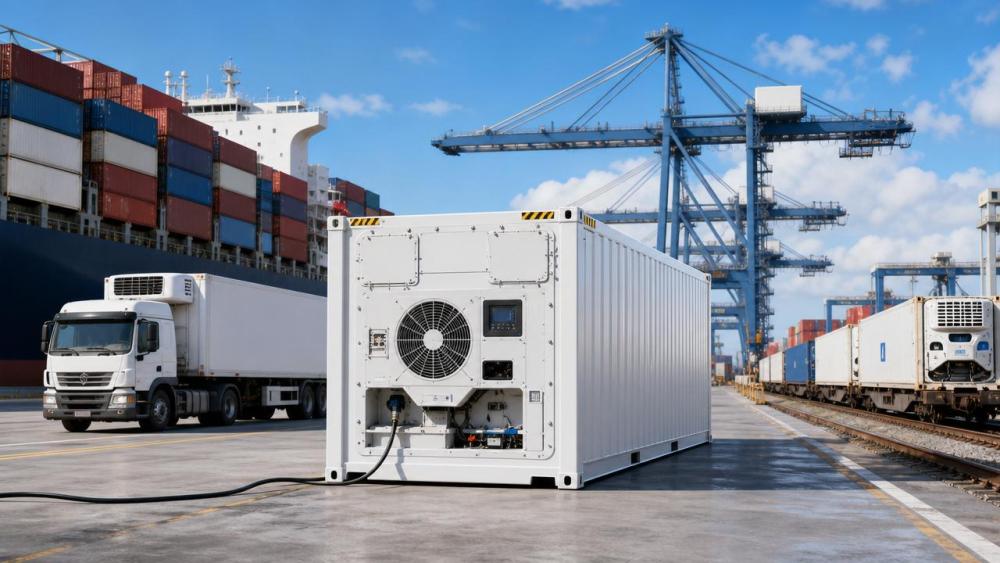
Integrated reefer containers matter because cold-chain risk rarely comes from one point alone. It comes from temperature drift, handling delays, power loss, and poor visibility during transit.
In simple terms, these units combine refrigeration machinery, control systems, and monitoring functions inside the container itself. That makes them easier to deploy across ports, trucks, rail, and vessels.
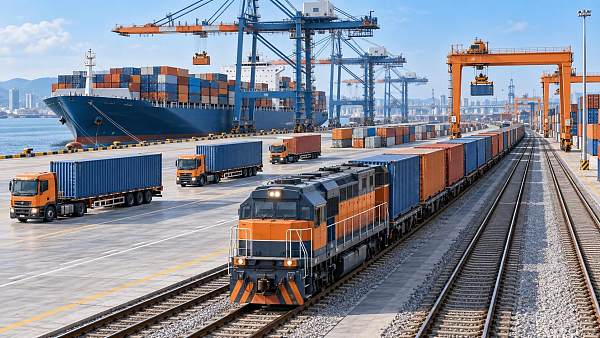
For global trade, that flexibility is valuable. A shipment can move through terminals, inland depots, and customs processes without changing into a different cooling format.
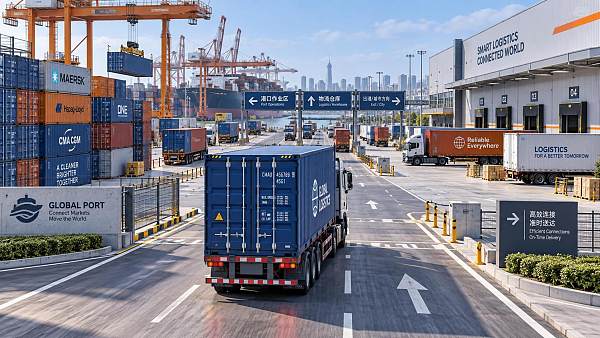
This is why integrated reefer containers appear often in discussions around smart logistics, terminal efficiency, and digital cold-chain infrastructure. They connect physical cargo protection with data-driven shipment control.
Within the wider G-WLP industry context, they sit at the intersection of reefer technology, intermodal equipment, compliance, and supply chain visibility. That makes them more than a refrigerated box.
So what exactly makes an integrated reefer container different?
The key difference is self-contained refrigeration. An integrated reefer container has its own built-in cooling unit, evaporator, compressor, and temperature controller mounted on the container.
That separates it from a porthole or externally supplied refrigerated unit. Those older systems depend more heavily on vessel or terminal infrastructure for airflow and cooling support.
Integrated reefer containers are designed to maintain setpoints for chilled or frozen cargo, but temperature is only part of the story. Air circulation, humidity behavior, fresh air exchange, and alarm logic also matter.
In practice, the container controller constantly compares actual return air and supply air conditions against programmed values. If readings move outside tolerance, operators can investigate before cargo quality declines.
That built-in control architecture is one reason integrated reefer containers fit modern intermodal networks better than simpler refrigerated formats.
A quick comparison helps clarify the point
That comparison also explains why integrated reefer containers are closely tracked in infrastructure planning, especially where ports are upgrading digital operations and reefer yard management.
How do temperature control and tracking actually work during a shipment?
Most integrated reefer containers use programmable controllers connected to sensors that measure supply air, return air, defrost cycles, compressor activity, and alarm conditions.
The cooling unit does not simply blow cold air. It manages a controlled airflow pattern through the cargo space, which is why loading discipline matters as much as the machinery.
Tracking has also evolved. Many integrated reefer containers now support telematics, remote diagnostics, GPS-linked location updates, and event reporting through carrier or platform dashboards.
That visibility is useful for more than peace of mind. It helps identify whether an issue came from pre-trip setup, terminal dwell time, inland transfer, customs delay, or power interruption.
In actual operations, the most useful data is not just the latest temperature reading. It is the trend line, alarm history, and confirmation that the unit stayed within product-specific tolerances.
For cold-chain compliance, especially in pharmaceuticals and premium food, this traceable record can be as important as the refrigeration performance itself.
What should be checked before trusting the data?
- Sensor calibration history and controller accuracy range.
- Whether data is real-time or delayed batch transmission.
- Alarm thresholds for temperature, power, and door events.
- Integration with terminal, carrier, or warehouse visibility systems.
- Availability of downloadable trip records for audits or claims.
These checks are often overlooked. Yet they determine whether integrated reefer containers support real decision-making or only provide partial shipment snapshots.
Where do integrated reefer containers deliver the most value?
Food is the obvious answer, but not the only one. Integrated reefer containers are widely used for frozen proteins, seafood, fruit, dairy, confectionery, and ingredients with strict transit limits.
Pharmaceutical logistics is another strong use case. Temperature-sensitive medicines, vaccines, and clinical materials often require monitored transport with documented excursions and controlled handoffs.
Cross-border e-commerce also increases demand for flexible cold-chain infrastructure. As overseas fulfillment models expand, integrated reefer containers help bridge long-distance transport and regional distribution.
More specialized cargoes benefit too. Examples include floral products, biotech materials, specialty chemicals, and premium beverages where product quality depends on stable conditions.
The strongest value usually appears when cargo crosses multiple handling environments. Every transfer between ship, yard, truck, rail, and warehouse creates a chance for disruption.
Because integrated reefer containers remain a sealed and controlled transport unit, they reduce the operational friction between those links.
A practical way to judge fit
What do people often misunderstand when evaluating integrated reefer containers?
A common mistake is assuming the unit can fix poor cargo preparation. It cannot. If product is loaded warm, stacked incorrectly, or packed without airflow clearance, the container cannot reverse that damage.
Another misunderstanding is treating setpoint temperature as the whole performance story. Different products require different ventilation, humidity considerations, and tolerance bands.
Some also overestimate the value of tracking without asking how the alerts will be used. Data only helps when someone can respond during the journey, not after the cargo arrives damaged.
Power planning is another issue. Integrated reefer containers are self-contained for refrigeration equipment, but they still need reliable power sources during terminal stays and land transport stages.
In smart port environments, this is why reefer rack capacity, plug availability, yard monitoring, and TOS-linked reefer workflows matter so much.
- Confirm pre-trip inspection records before loading.
- Match product requirements to controller settings.
- Review handoff procedures at every intermodal leg.
- Check whether alarm response responsibilities are clear.
Those details usually matter more than headline claims about cooling range or digital features.
How should integrated reefer containers be assessed before adoption or comparison?
A useful assessment starts with cargo behavior, not equipment brochures. The first question is what the product actually needs across the full route, including dwell time and border uncertainty.
Then look at the operational chain. Are ports equipped for reefer handling? Is telematics visible across partners? Can warehouses and inland carriers maintain power continuity?
Cost should be viewed in layers. Rental or freight cost is only one layer. Product loss, claims, spoilage risk, compliance exposure, and delay recovery often have larger financial impact.
When comparing integrated reefer containers, it helps to build a short decision sheet instead of relying on general descriptions.
This broader view aligns with how G-WLP approaches logistics infrastructure. Equipment decisions are stronger when they are linked to systems, data, compliance, and real operating conditions.
What is the smartest next step if you are still learning?
Start by mapping one likely shipment profile from origin to destination. Include loading conditions, transit time, transfer points, customs exposure, and final delivery requirements.
Then compare integrated reefer containers against that route, not against abstract specifications. The best choice depends on cargo sensitivity, data needs, and operational complexity.
It also helps to review how reefer technology connects with port infrastructure, terminal systems, inland equipment, and compliance workflows. That wider lens often reveals hidden constraints early.
Integrated reefer containers are valuable because they combine temperature control, tracking, and cargo protection in one mobile asset. Their real advantage appears when that control remains reliable across the whole chain.
A practical next move is to build a simple checklist for temperature range, monitoring depth, route power support, alarm response, and documentation needs before comparing suppliers or service options.
Related News
 Where Autonomous Freight Vehicles Deliver the Most Value in Port OperationsPort Digital Twin ArchitectAutonomous freight vehicles ports: discover where automation delivers the highest value in quay-to-yard, rail, and logistics workflows—improving throughput, safety, and reliability.
 How to Size High-Rate Sortation Capacity for Peak Parcel VolumesGlobal Routing & Distribution StrategistHigh-rate sortation capacity planning: learn how to size peak parcel throughput, reduce recirculation, protect carrier cut-offs, and build a resilient operation.
 How to Calculate Rail-Sea Intermodal Logistics Costs Before Choosing a RouteZero-Carbon Powertrain FellowRail-sea intermodal logistics cost: learn to compare all-in freight, rail, port, customs, and risk costs before choosing a route for smarter sourcing decisions.
 What Should Ports Evaluate Before Selecting a Digital Port Platform?Port Digital Twin ArchitectDigital port platform selection guide: evaluate integration, data governance, automation readiness, cybersecurity, and pilots to choose a resilient solution that improves port operations.
 How to Compare Rail-Sea Intermodal Providers for Port-to-Inland Freight ReliabilityZero-Carbon Powertrain FellowCompare rail-sea intermodal providers with a practical guide to lane reliability, capacity, visibility, costs, and contingency planning for resilient port-to-inland freight.
 How to Select Autonomous Mobile Robots for Subzero Cold Storage OperationsPort Digital Twin ArchitectAutonomous mobile robots cold storage teams can rely on: evaluate batteries, navigation, safety, charging, and service for proven subzero performance.
 How Real-Time Route Optimization Reduces Delays Across Multi-Stop Freight OperationsChief Logistics AI & Fluid Dynamics ScientistReal time route optimization helps multi-stop freight teams cut delays, protect delivery windows, and respond faster to port, warehouse, and traffic disruptions.
 How to Build a Logistics Tender Workflow That Improves Bid Quality and ControlFreight Capital & Infra Investment EconomicsLogistics tender workflow guide: improve bid quality, compare total costs, assess suppliers, and strengthen contract control for better logistics outcomes.
 How Should UAE Businesses Evaluate Drone Logistics Systems for Last-Mile Delivery?Spatial Computing & Machine Vision GeekDrone logistics systems UAE: learn how to evaluate regulatory readiness, route safety, integration, reliability, and total cost for smarter last-mile delivery.
 How to Evaluate Port Automation Systems for Container Terminal Efficiency and ROIPort Digital Twin ArchitectPort Automation Systems for terminals: evaluate efficiency, TOS integration, supplier risk, and ROI to choose scalable solutions that improve throughput and resilience.
 How to Use Freight Benchmark Pricing to Compare Carrier Rates and Control CostsFreight Capital & Infra Investment EconomicsFreight benchmark pricing helps procurement teams compare carrier rates, control total transport costs, uncover surcharges, and negotiate better freight deals with confidence.
 Container Yard Management: How to Cut Truck Turn Times and Improve Slot UtilizationPort Digital Twin ArchitectContainer yard management strategies to cut truck turn times, optimize slot utilization, reduce rehandles, and improve yard flow with smarter appointments, planning, and real-time control.